


CXC Home | Search | Help | Image Use Policy | Latest Images | Privacy | Accessibility | Glossary | Q&A
1
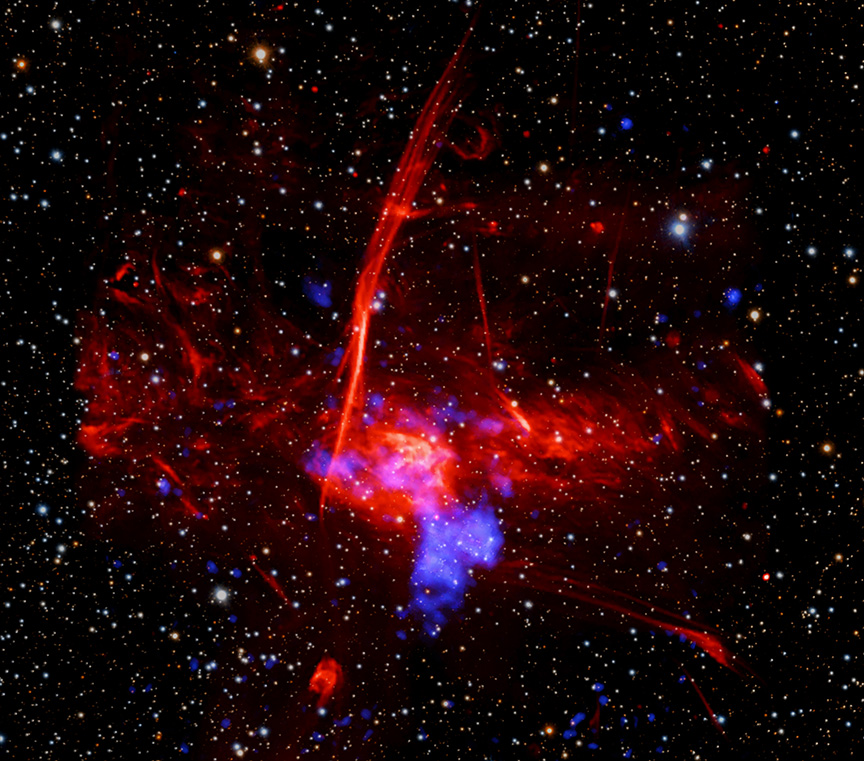
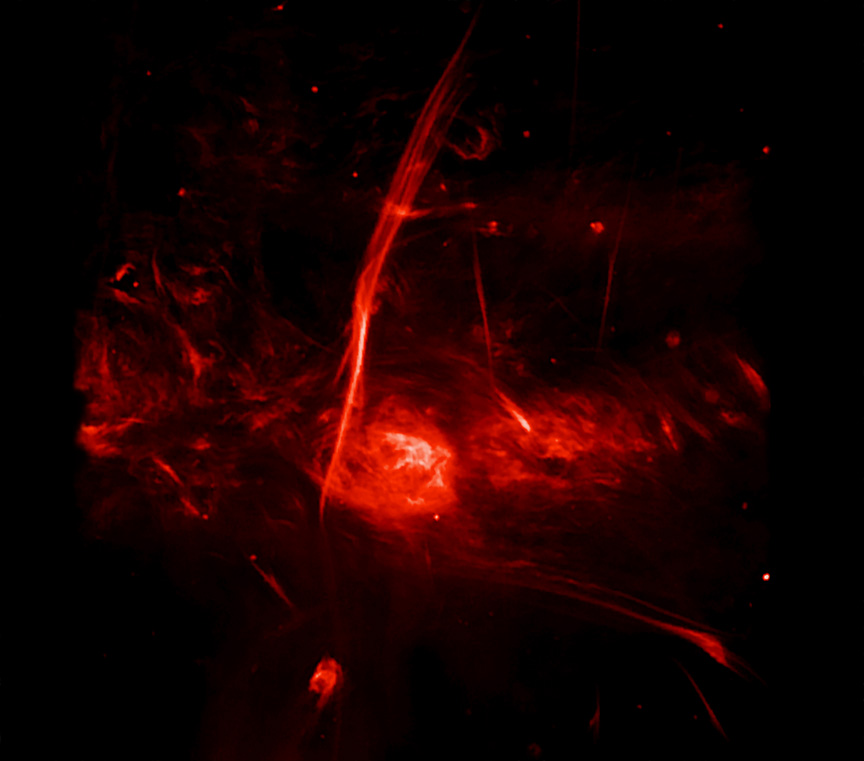
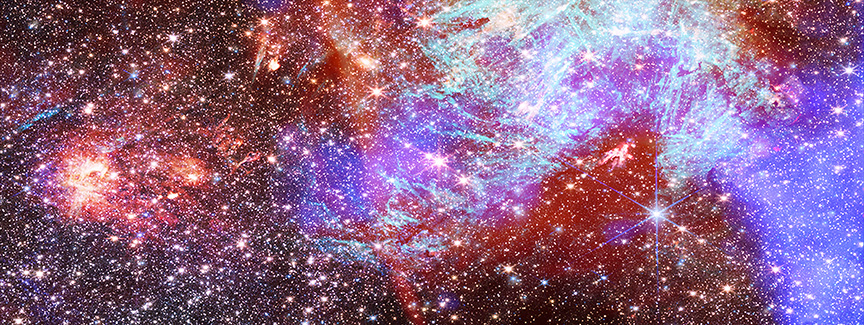
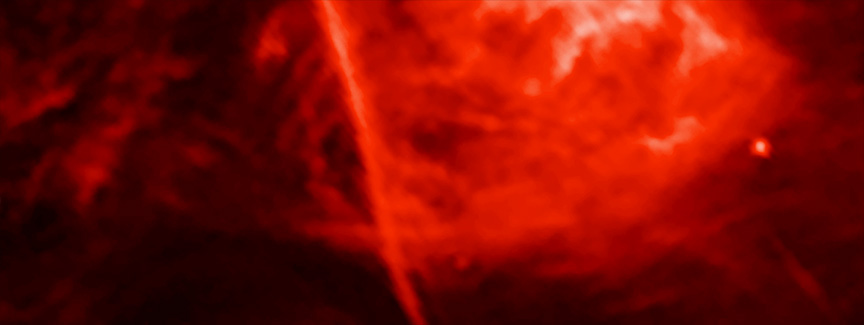
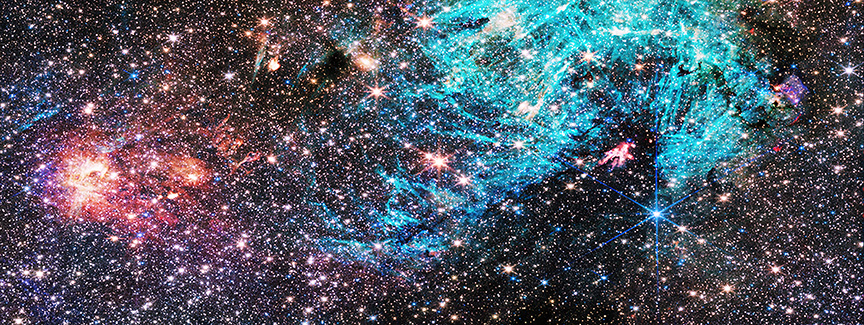
X-ray, Optical, Radio & Infrared Images of Sagittarius CCredit: X-ray: NASA/CXC/UCLA/Z. Zhu et al.; ESA/XMM-Newton; Optical: PanSTARRS; Radio: MeerKAT; Infrared (JWST): NASA/ESA/CSA/STScI; Image Processing: NASA/CXC/SAO/L. Frattare and P. Edmonds
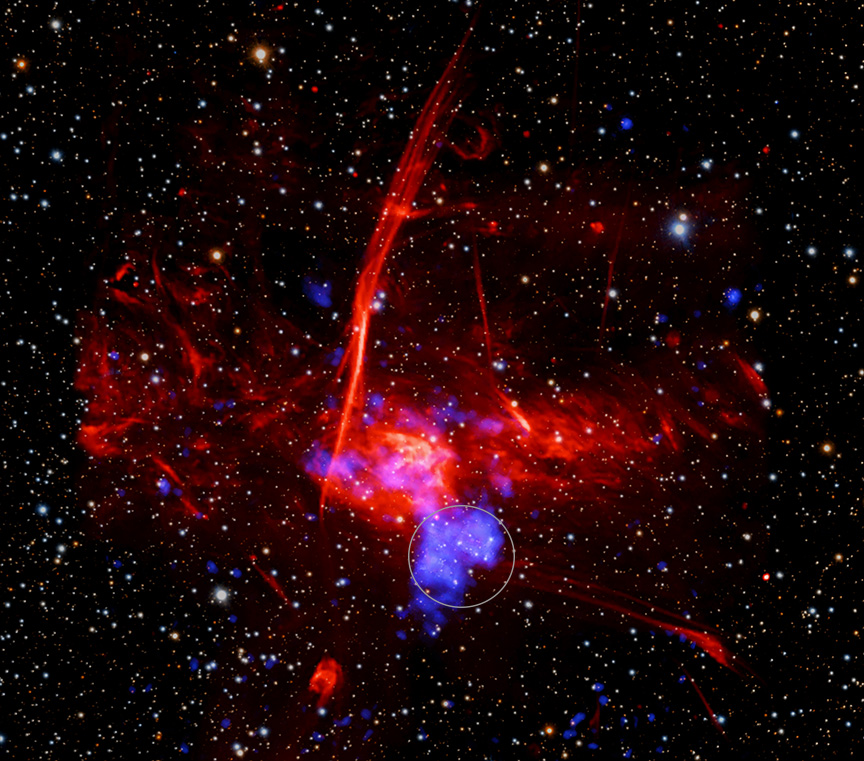
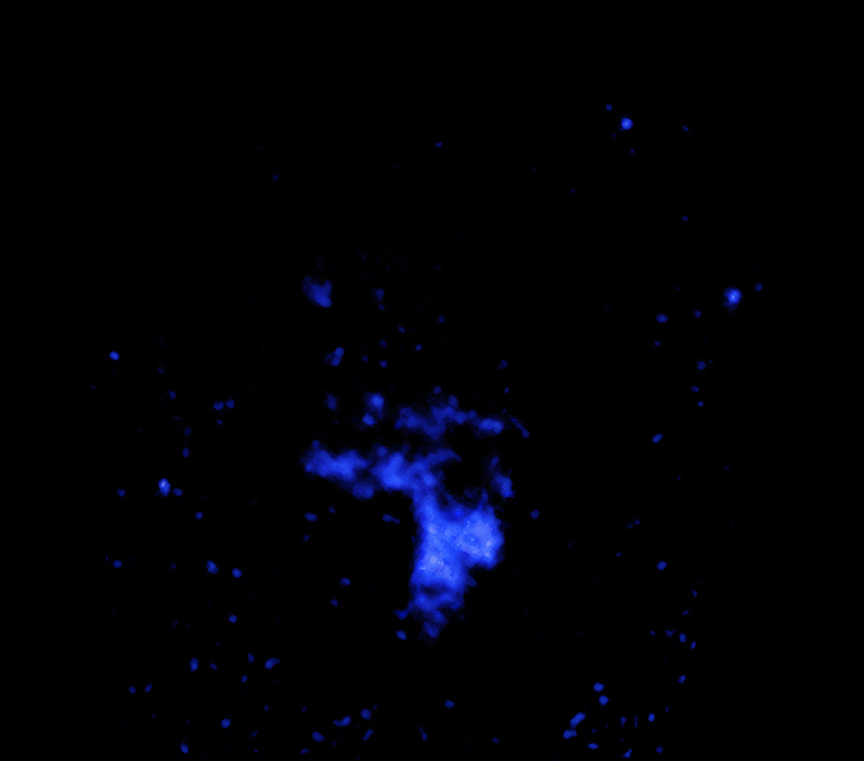
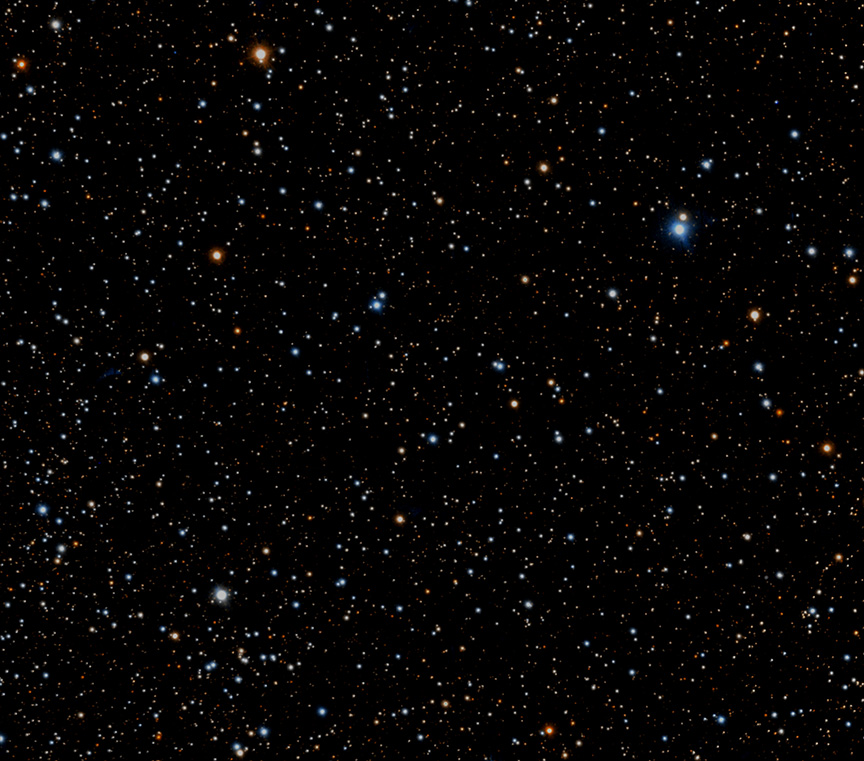
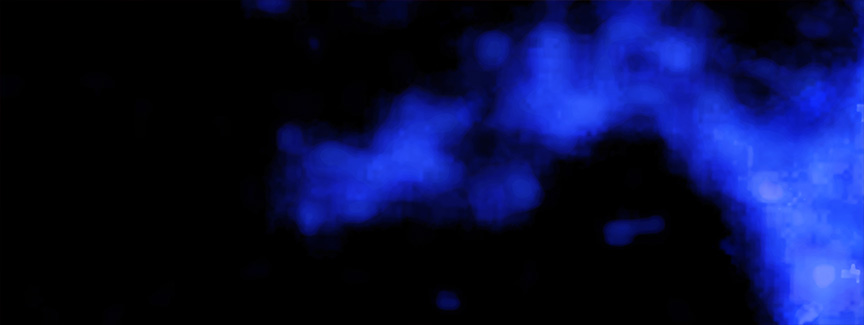
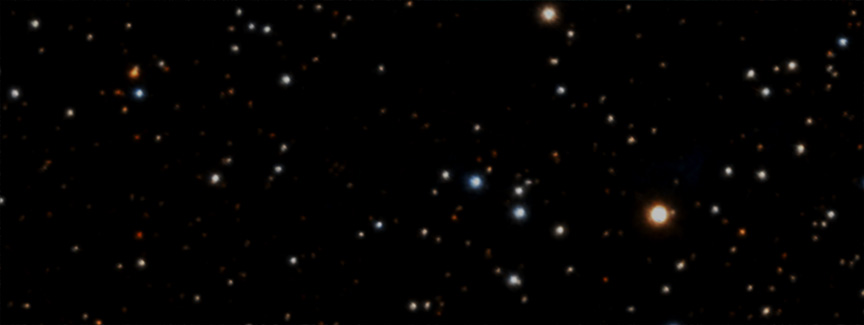
Astronomers may have uncovered a new supernova remnant in a star-forming region near the center of the Milky Way galaxy using data from Chandra and XMM-Newton. If confirmed, this would be one of the closest supernova remnants to the supermassive black hole in the Galactic Center. The images show the region where the evidence was found, which contains X-rays from Chandra and XMM-Newton, radio data from the MeerKAT telescope in South Africa, and an optical image from the Pan-STARRS telescopes in Hawaii. A smaller field of view provides detail from the James Webb Space Telescope, with Chandra, XMM and MeerKat data.
2
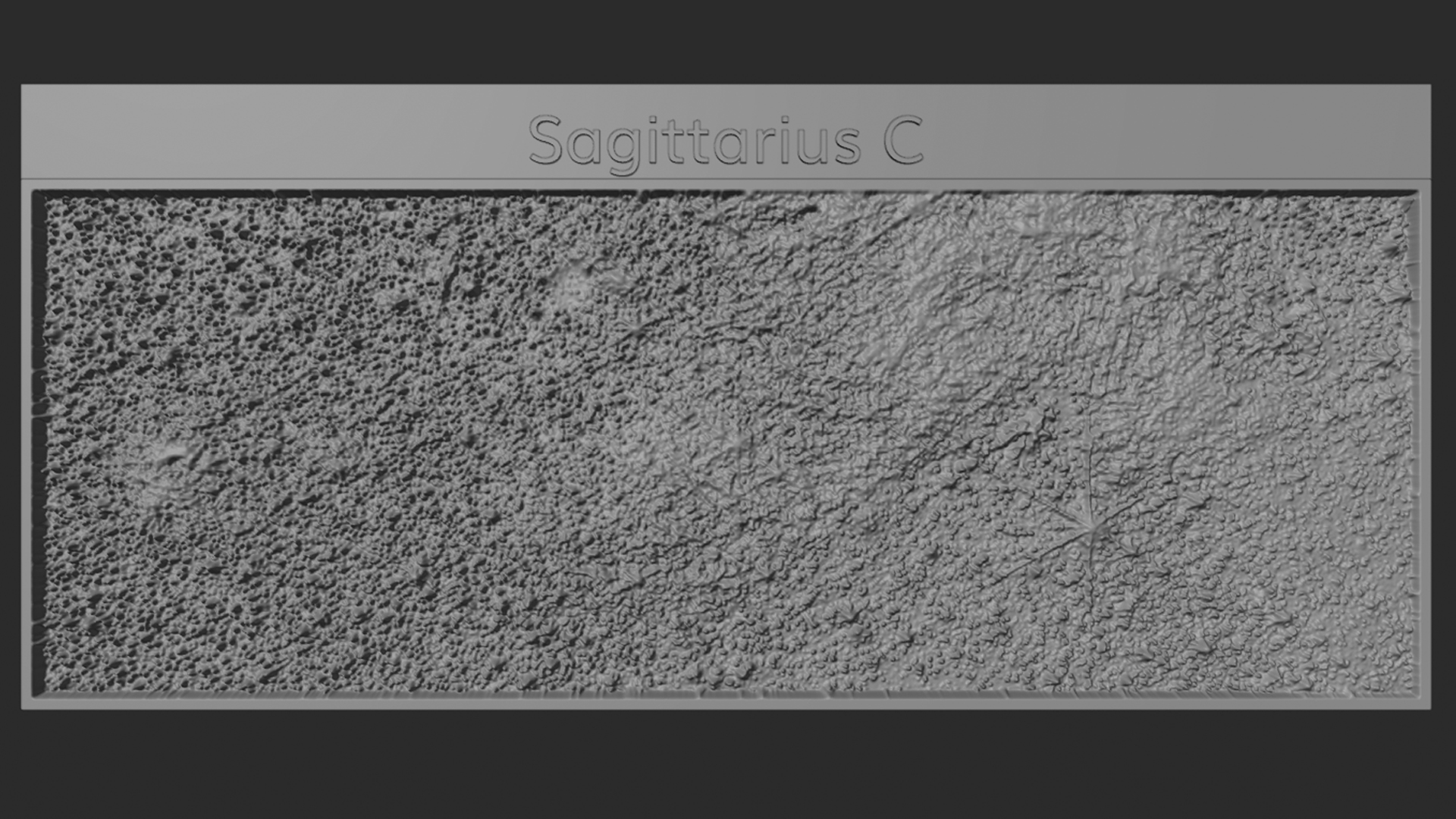
3D Printable Files: Sagittarius C(3D Print Credit: NASA/CXC/A. Jubett, using software by Tactile Universe/N. Bonne & C. Krawczyk & Blender)
This tactile plate is a physical relief map based on the intensity of X-ray, optical, radio and infrared data, showing overlapping clouds, which suggest to astronomers that a supernova remnant may be buried in gas near the center of our Milky Way galaxy.
Set against a backdrop packed with distant stars and other specks of light are two distinct, overlapping clouds. The larger, dominant cloud is multifaceted. It has an irregular shape, and features patches of different textures, including pockets that resemble wispy smoke, tangles of veins, and streaking lines. This large cloud of expanding gas represents radio data from the MeerKAT telescope in South Africa.
Overlapping with that cloud is a cloudy blob representing X-ray data from NASA’s Chandra X-ray Observatory and ESA’s XMM-Newton. Astronomers suggest that this blue blob of X-ray emissions is the remains of a massive star destroyed by a supernova.
Set against a backdrop packed with distant stars and other specks of light are two distinct, overlapping clouds. The larger, dominant cloud is multifaceted. It has an irregular shape, and features patches of different textures, including pockets that resemble wispy smoke, tangles of veins, and streaking lines. This large cloud of expanding gas represents radio data from the MeerKAT telescope in South Africa.
Overlapping with that cloud is a cloudy blob representing X-ray data from NASA’s Chandra X-ray Observatory and ESA’s XMM-Newton. Astronomers suggest that this blue blob of X-ray emissions is the remains of a massive star destroyed by a supernova.
Return to: NASA's Chandra Discovers Possible Supernova Remnant in Galactic Center (June 11, 2026)


Revised: June 11, 2026