


CXC Home | Search | Help | Image Use Policy | Latest Images | Privacy | Accessibility | Glossary | Q&A
1
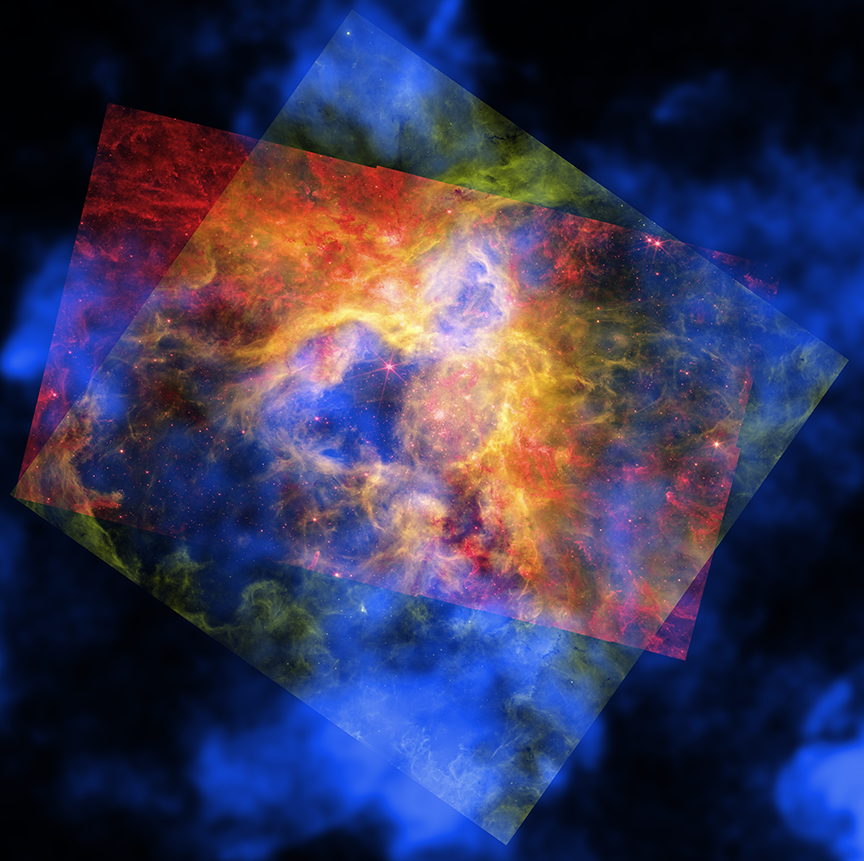
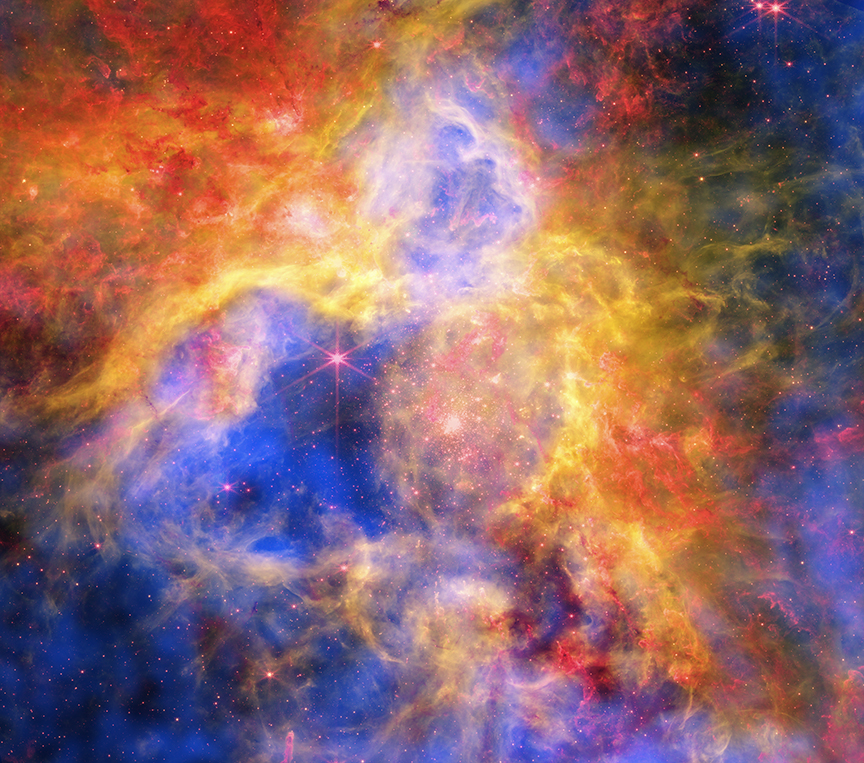
X-ray, Optical, & Infrared Images of the Tarantula Nebula (30 Doradus)Credit: X-ray: NASA/CXC/Ohio State Univ./J. Rodriguez et al; Infrared: NASA/ESA/CSA/STScI; Optical: NASA/ESA/STScI; Image Processing: NASA/CXC/SAO/P. Edmonds
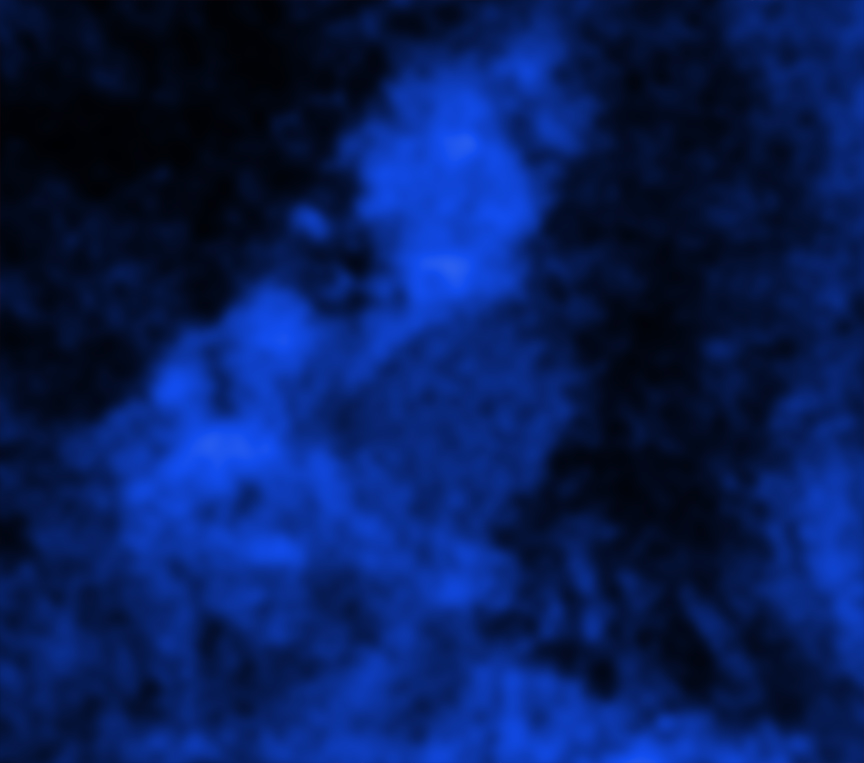
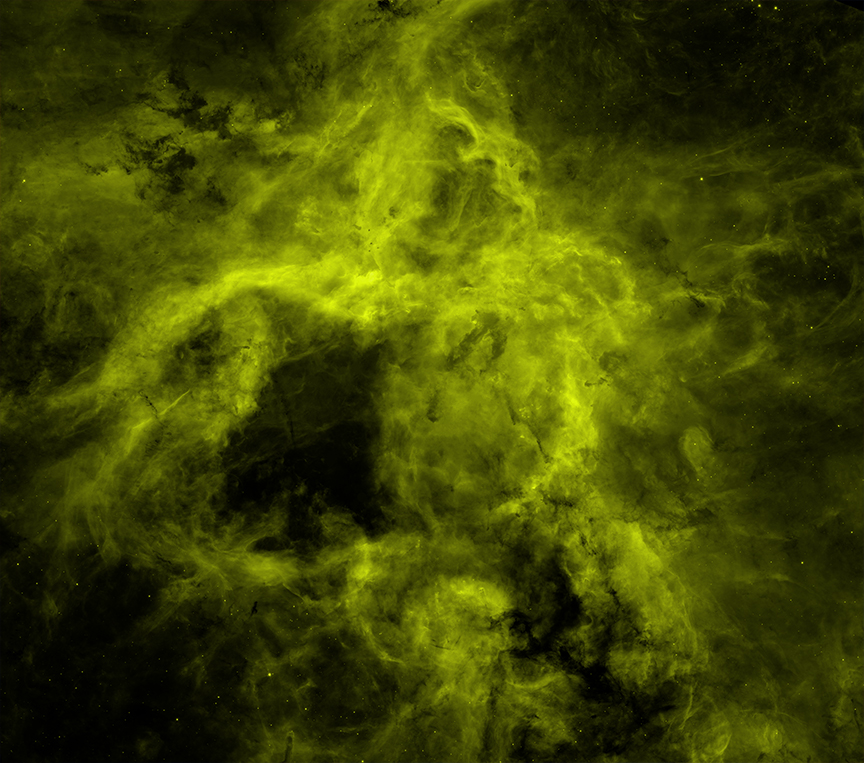
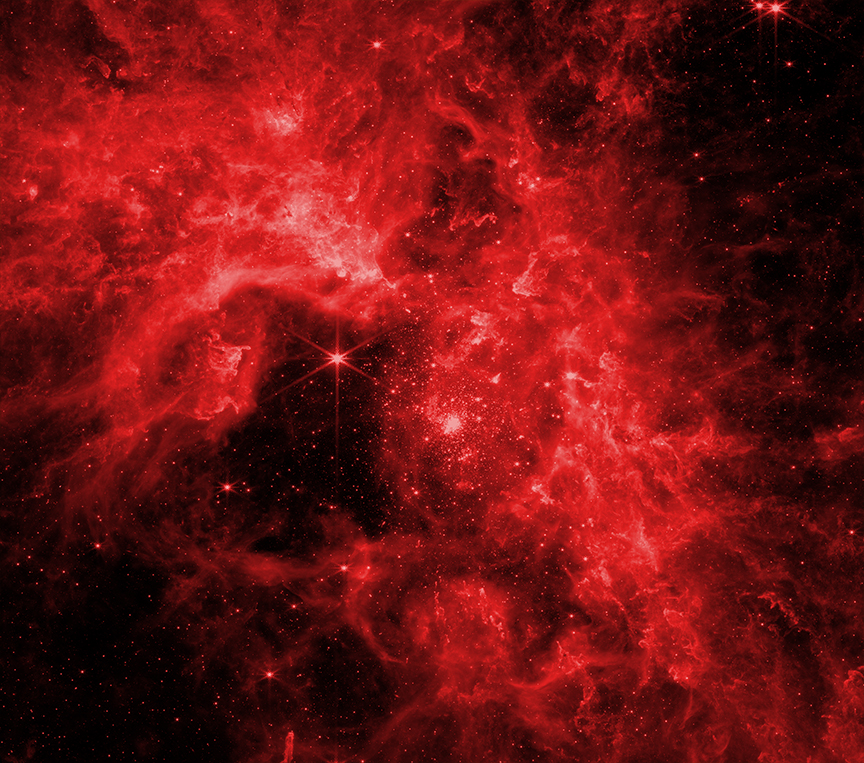
These multiwavelength images of the Tarantula Nebula, one of the brightest and largest regions of star formation to Earth, show X-rays from Chandra that reveal gas that has been blown away in winds from the surfaces of young, massive stars and heated to millions of degrees by shock waves, like sonic booms from supersonic jets. The infrared data from Webb shows thousands of young stars, plus swaths of cool dust that will provide the ingredients to one day form new stars and planets. Hubble optical data uncovers hydrogen gas that is warmer than seen with Webb, as well as some individual stars through the nebula.
2
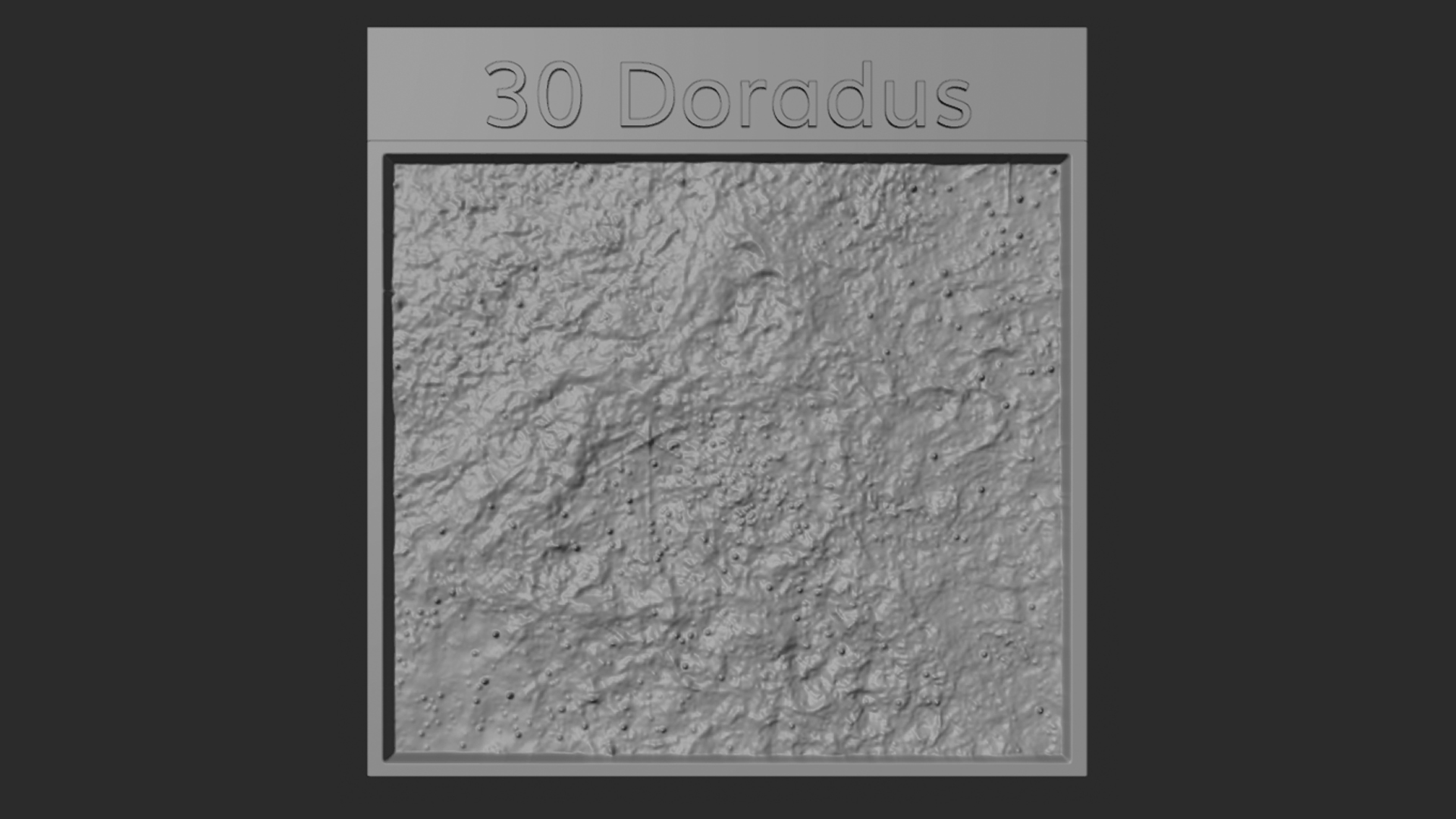
3D Printable Files: Tarantula Nebula (30 Doradus)(3D Print Credit: NASA/CXC/A. Jubett, using software by Tactile Universe/N. Bonne & C. Krawczyk & Blender)
This tactile plate is a physical relief map based on the intensity of multi-wavelength data featuring the Tarantula Nebula, or 30 Doradus, a star-forming region of the Large Magellanic Cloud. The wavelengths (optical, infrared and x-ray) combine to produce a vibrant and informative landscape.
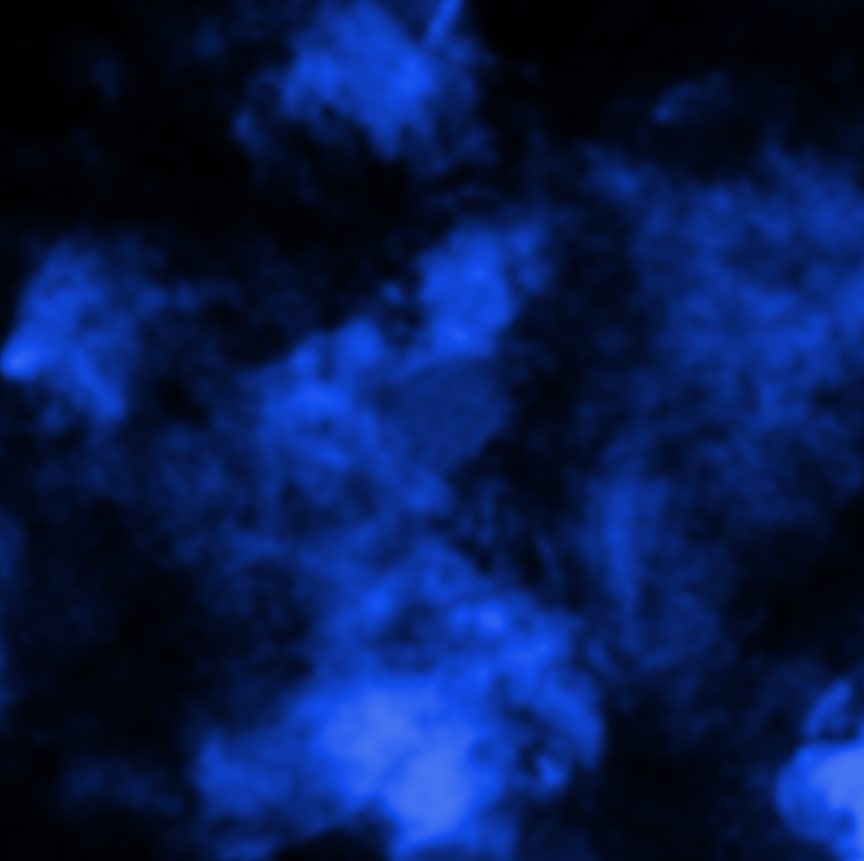
The X-ray data features a blanket of wispy clouds. These clouds represent hot gas observed by NASA’s Chandra X-ray Observatory. This wavelength reveals that gas has been blown from the surfaces of young, massive stars, and heated to millions of degrees by shock waves.
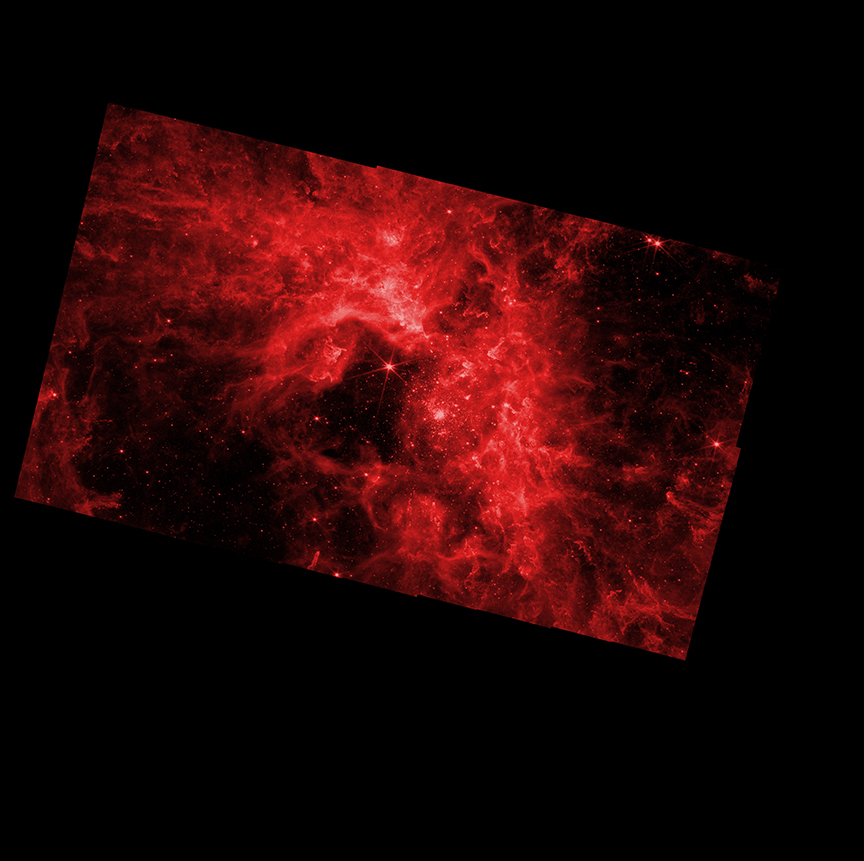
The infrared data features roiling clouds and tiny, point-like specks. These are swaths of cool, ingredient-rich dust, and scores of young stars. This texture represents infrared data collected by NASA’s James Webb Space Telescope.
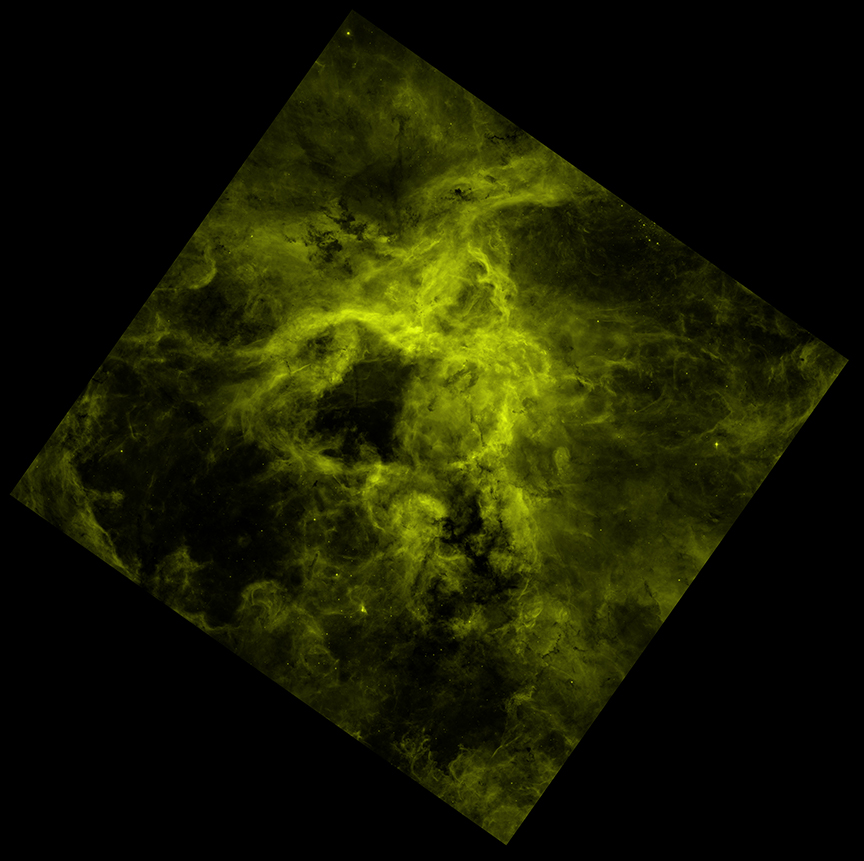
The optical data consists of curling, sweeping tendrils of warm hydrogen gas swirling around the frame. This texture represents data captured by NASA’s Hubble Space Telescope.
The X-ray data features a blanket of wispy clouds. These clouds represent hot gas observed by NASA’s Chandra X-ray Observatory. This wavelength reveals that gas has been blown from the surfaces of young, massive stars, and heated to millions of degrees by shock waves.
The infrared data features roiling clouds and tiny, point-like specks. These are swaths of cool, ingredient-rich dust, and scores of young stars. This texture represents infrared data collected by NASA’s James Webb Space Telescope.
The optical data consists of curling, sweeping tendrils of warm hydrogen gas swirling around the frame. This texture represents data captured by NASA’s Hubble Space Telescope.
Return to: NASA Telescopes Create Colorful 'Craft' From Nearby Nebula (August 11, 2026)


Revised: August 07, 2026