

CXC Home | Search | Help | Image Use Policy | Latest Images | Privacy | Accessibility | Glossary | Q&A
250th Red, White, & Blue Collection:
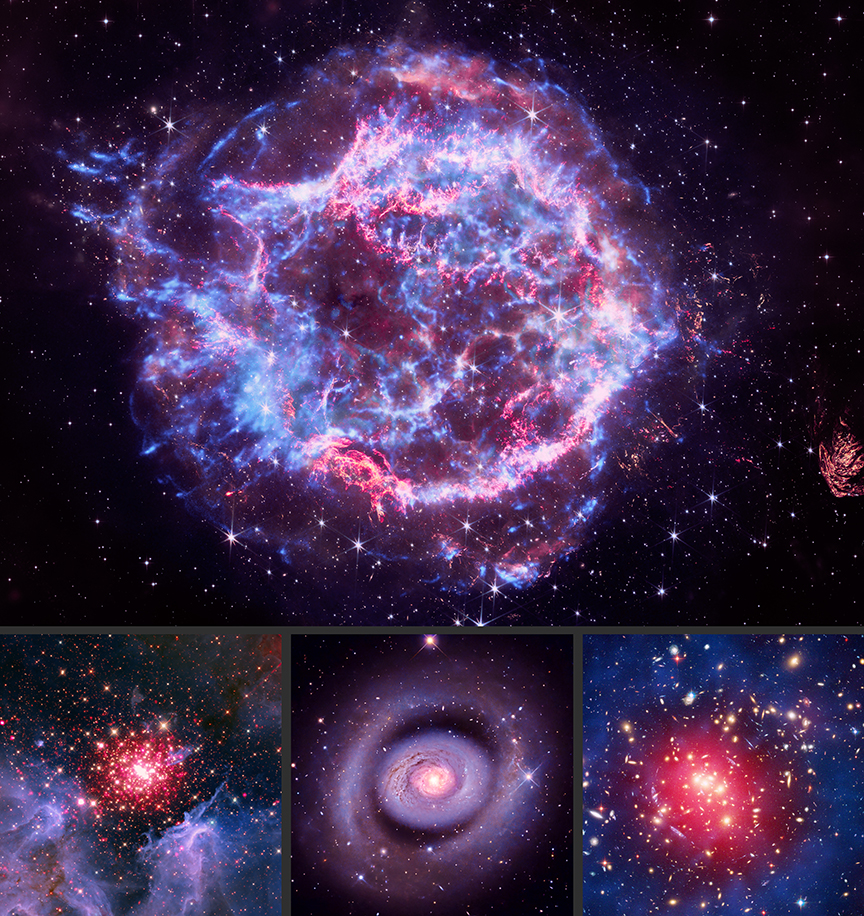
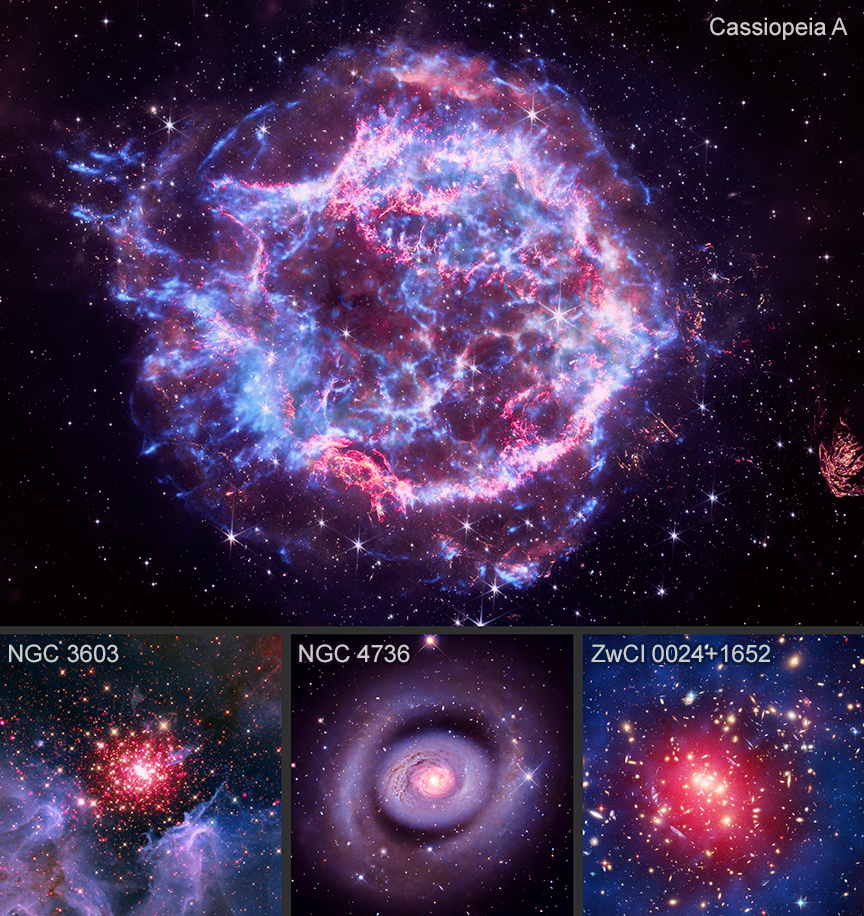
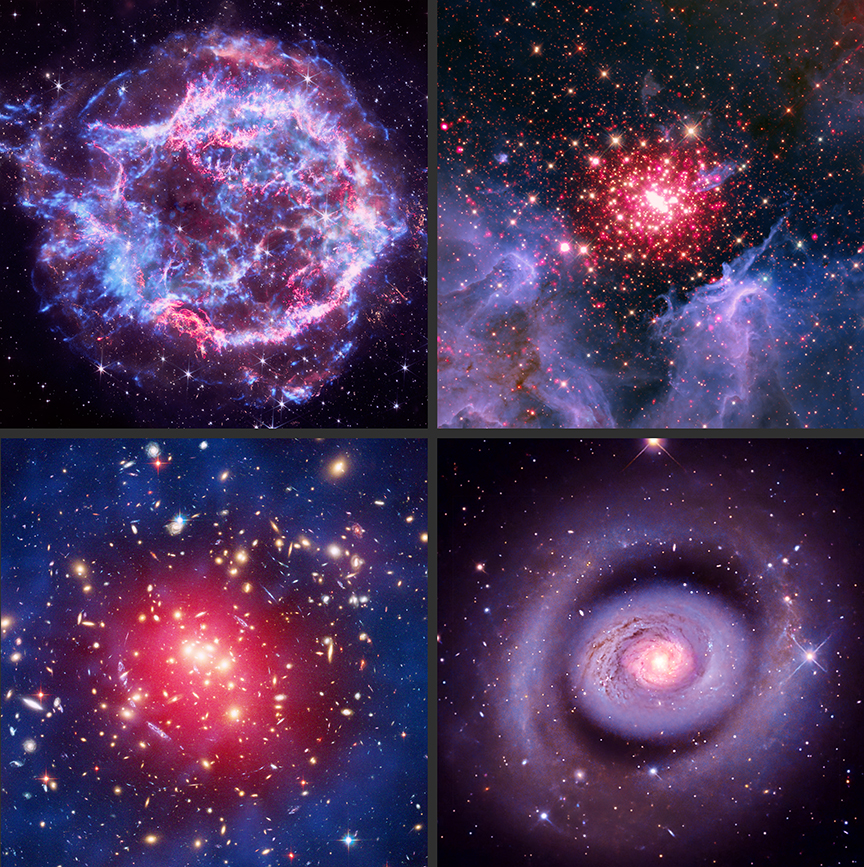
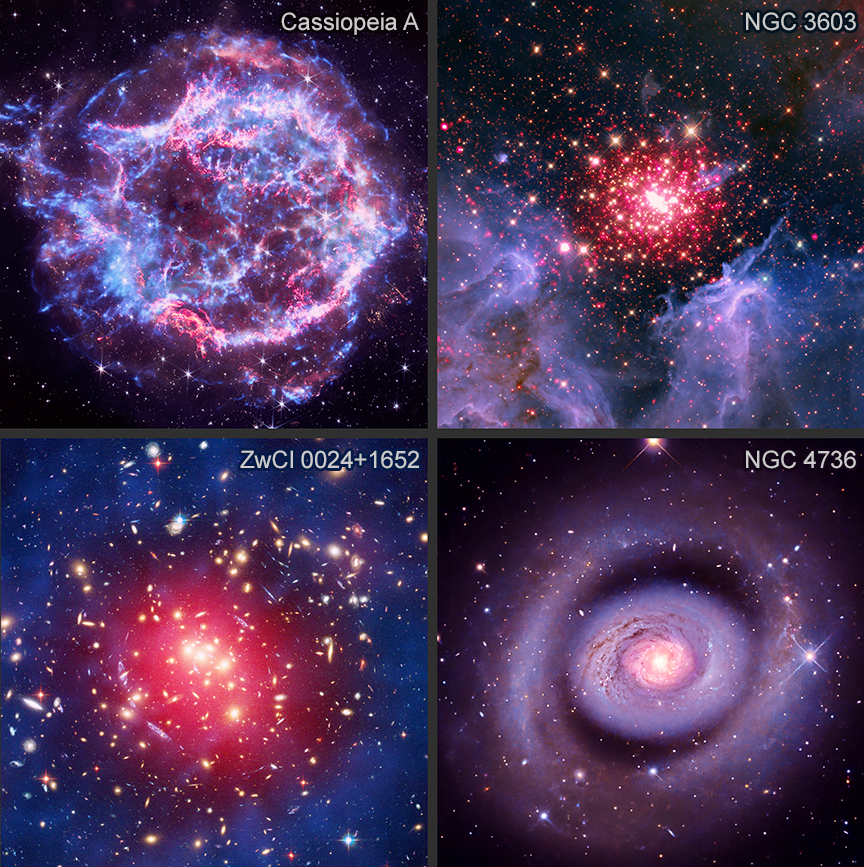
In celebration of the 250th birthday of the United States, NASA’s Chandra X-ray Observatory has unveiled four cosmic images rendered in red, white, and blue that represent the wonders of the universe that NASA explores. Additionally, a trio of new sonifications — an innovation that translates astronomical data into sounds — is being released.
1
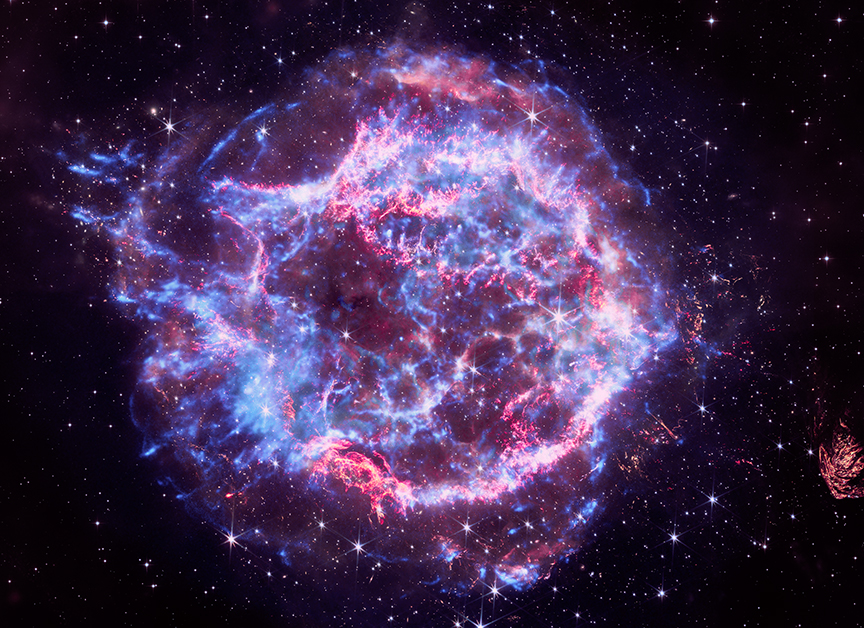
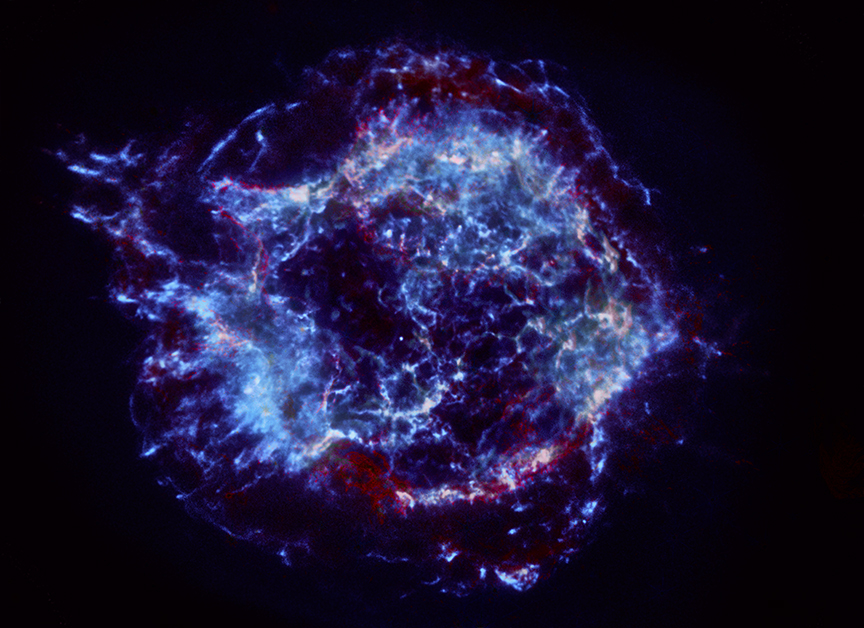
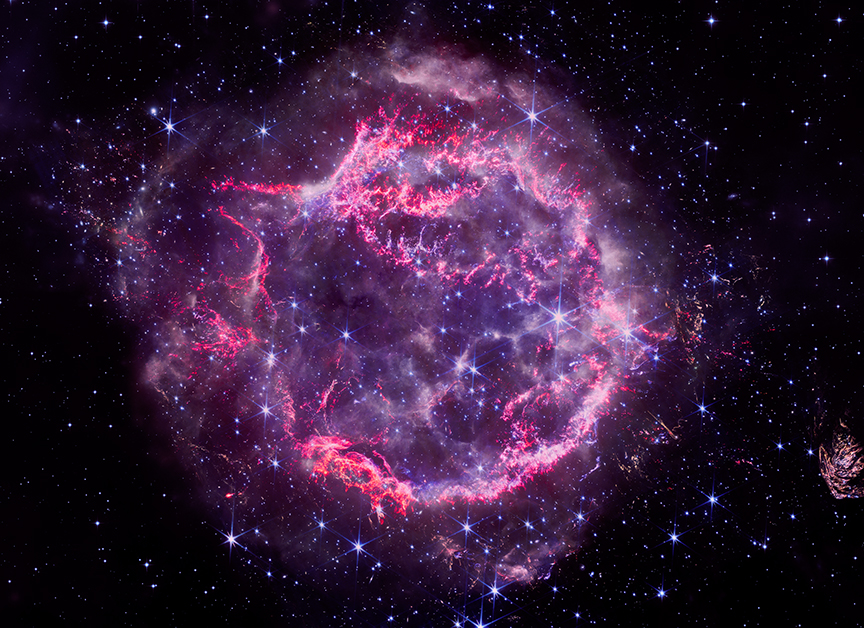
Cassiopeia ACredit: X-ray: NASA/CXC/SAO; IR: NASA/ESA/CSA/STScI; Image Processing: NASA/CXC/SAO/L. Frattare and K. Arcand
In Cassiopeia A, X-rays from NASA's Chandra X-ray Observatory are shown along with an infrared image from NASA’s James Webb Space Telescope. Chandra’s X-ray vision reveals the blast wave that tore through the star plus elements in the debris field like iron, calcium, and oxygen. Webb’s infrared data also shows the expanding shell of material from the explosion plus cosmic dust throughout the remnant.
2
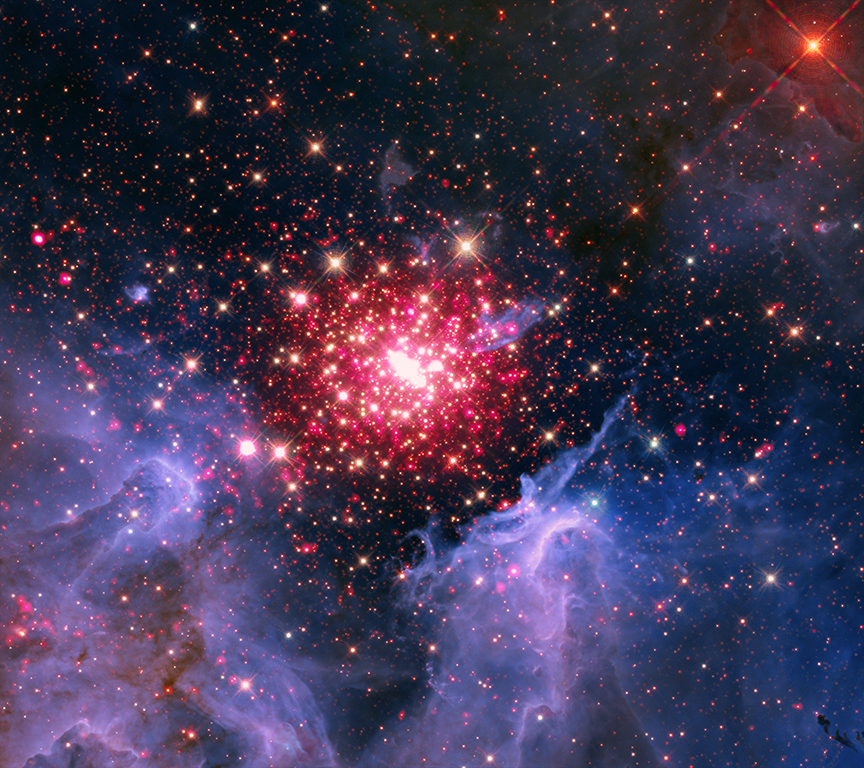
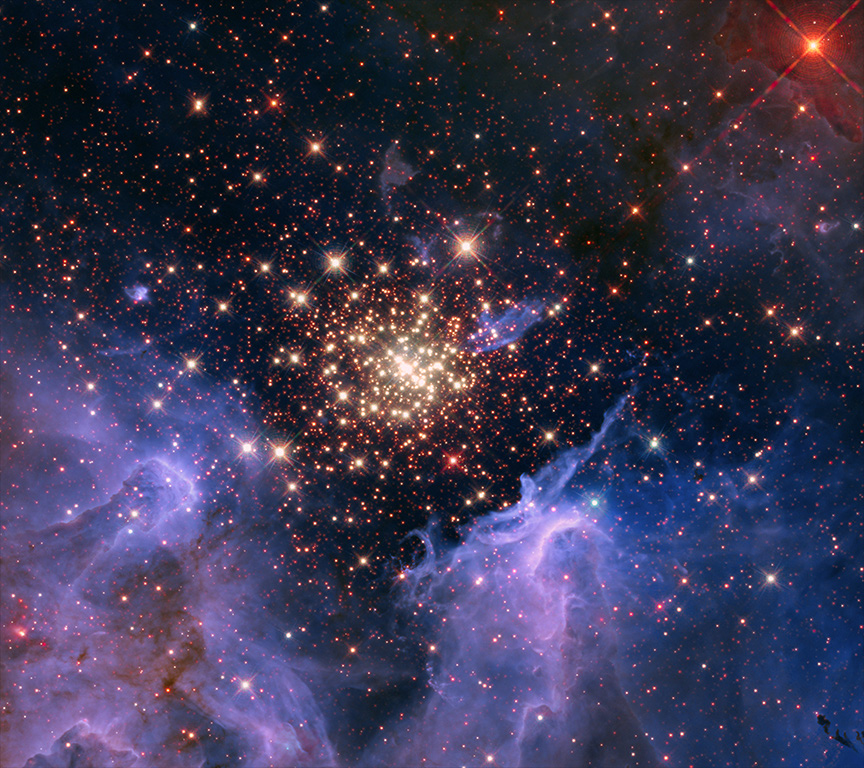
NGC 3603Credit: X-ray: NASA/CXC/SAO; IR/UV: NASA/ESA/CSA/STScI/AURA; Image Processing: NASA/CXC/SAO/L. Frattare and K. Arcand
NGC 3603 shows a colossal and brilliant star factory located in the Carina spiral arm of our Milky Way galaxy. These images show high-energy X-ray data from Chandra with infrared and ultraviolet views from NASA's Hubble Space Telescope. While Hubble maps the towering, dark pillars of cold dust and the glowing gas blankets where new suns are born, Chandra's X-ray data pierces through the haze. The X-rays reveal a sparkling, dense swarm of young, massive stars at the center of the cluster, shedding powerful winds and intense radiation as they take their first breaths in the cosmic wild.
3
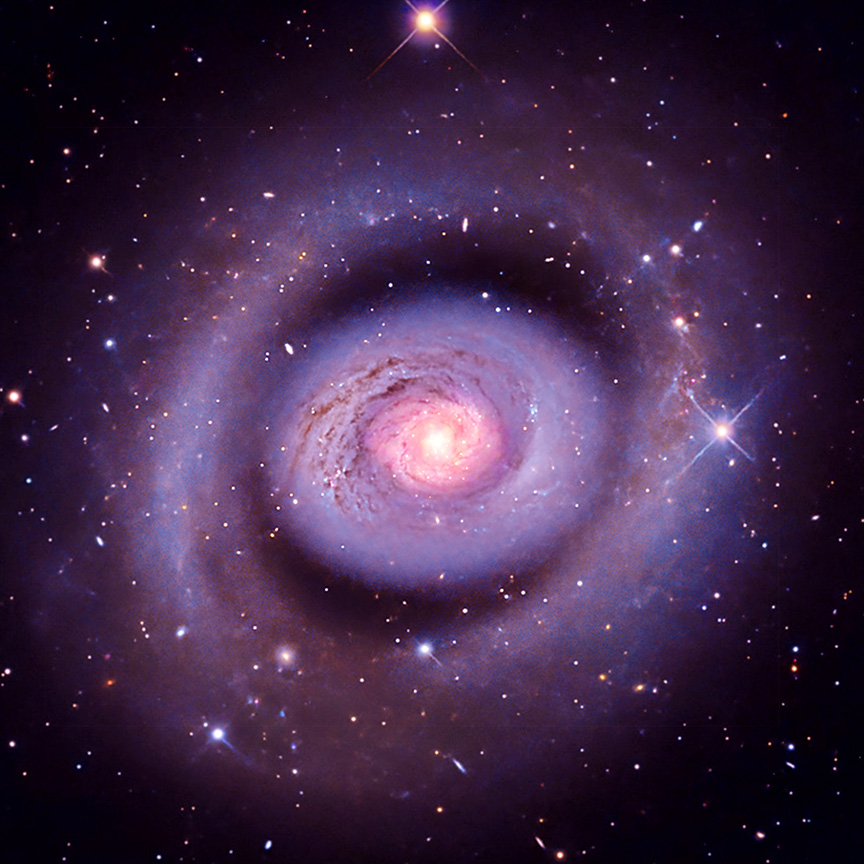
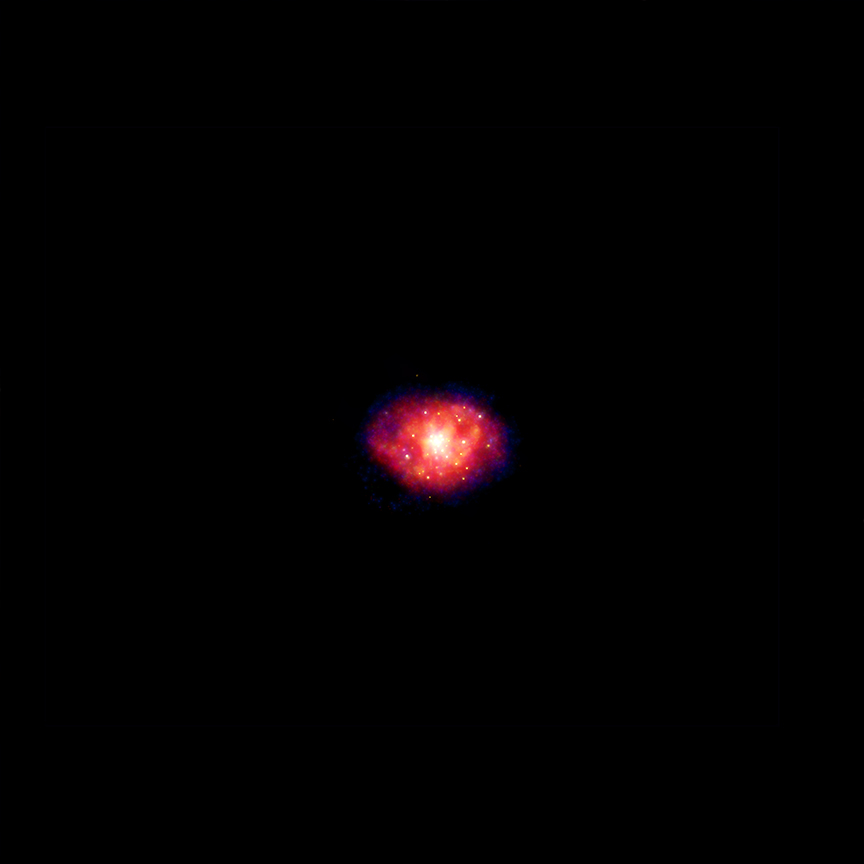
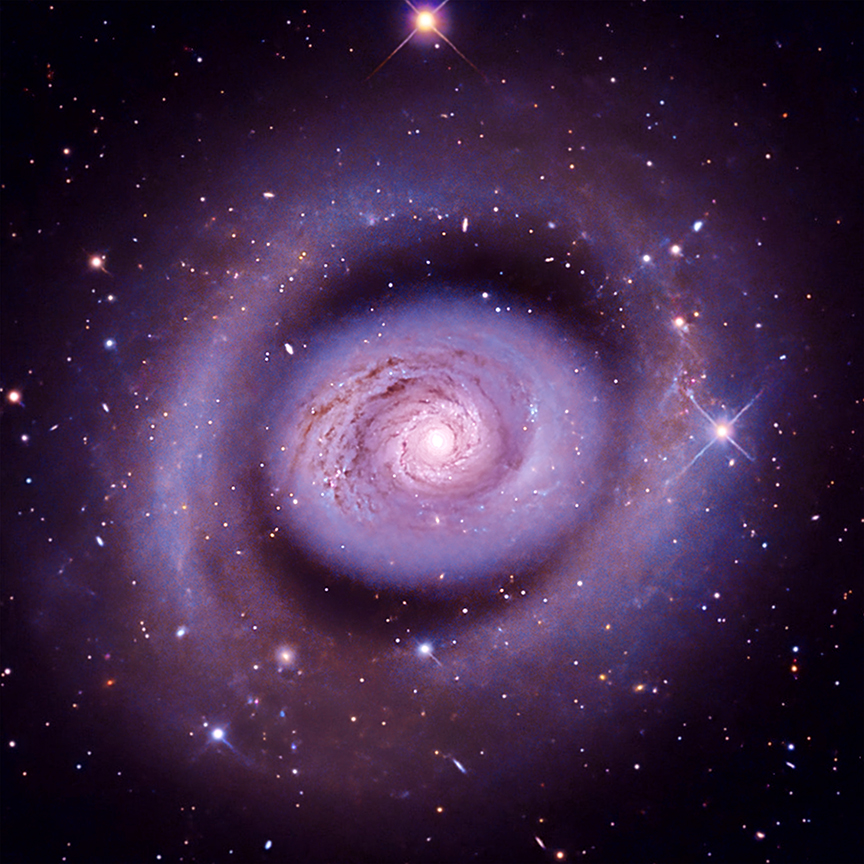
NGC 4736Credit: X-ray: NASA/CXC/SAO; Optical:Brian Brennan and Remi Lacasse; Image Processing: NASA/CXC/SAO/L. Frattare and K. Arcand
These images show the galaxy NGC 4736, also known as Messier 94 or M94. X-rays of different wavelengths from Chandra are included along with a striking visible light image from astrophotographers Brian Brennan and Remi Lacasse using their telescopes on the ground. M94 is a spiral galaxy with a bright inner ring around it where new stars are forming called a starburst ring, perhaps fueled by gas driven in from its unique bar-like oval structure. It also has a remarkable outer ring of spiral arms.
4
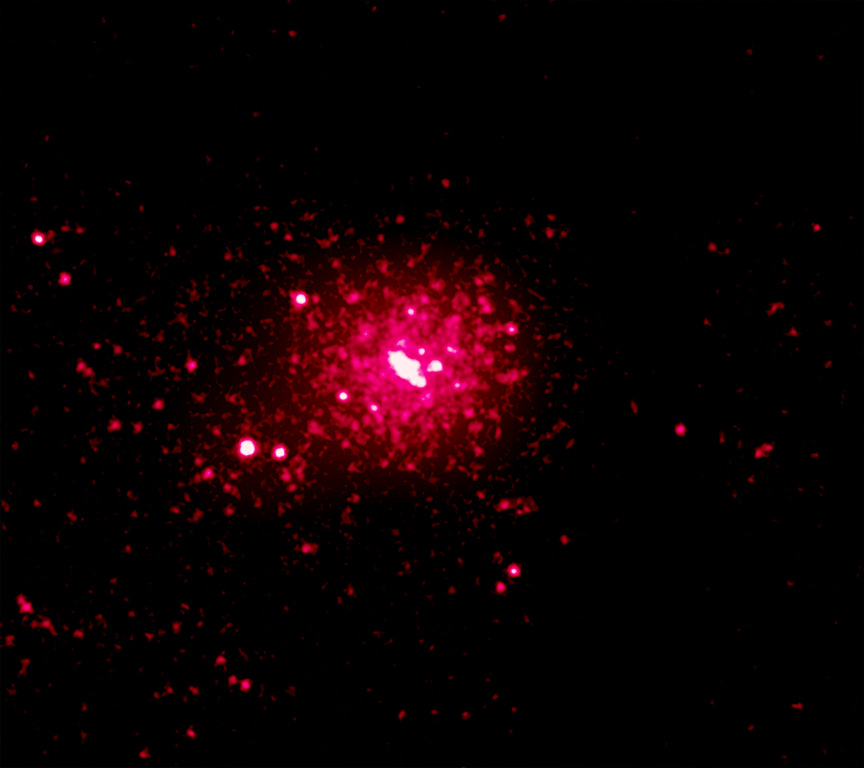
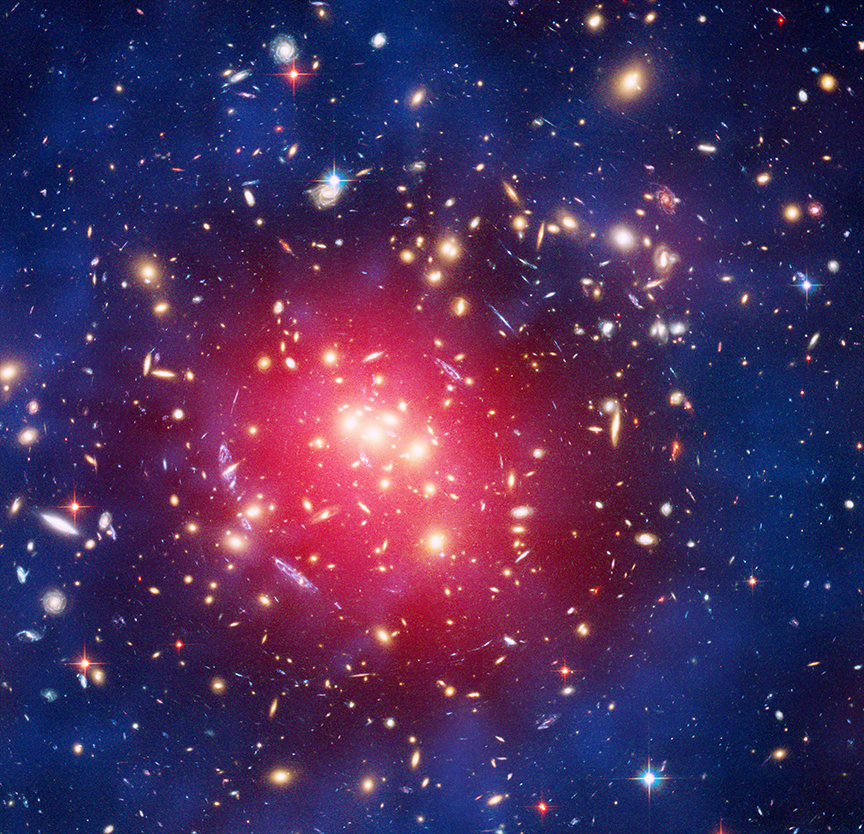
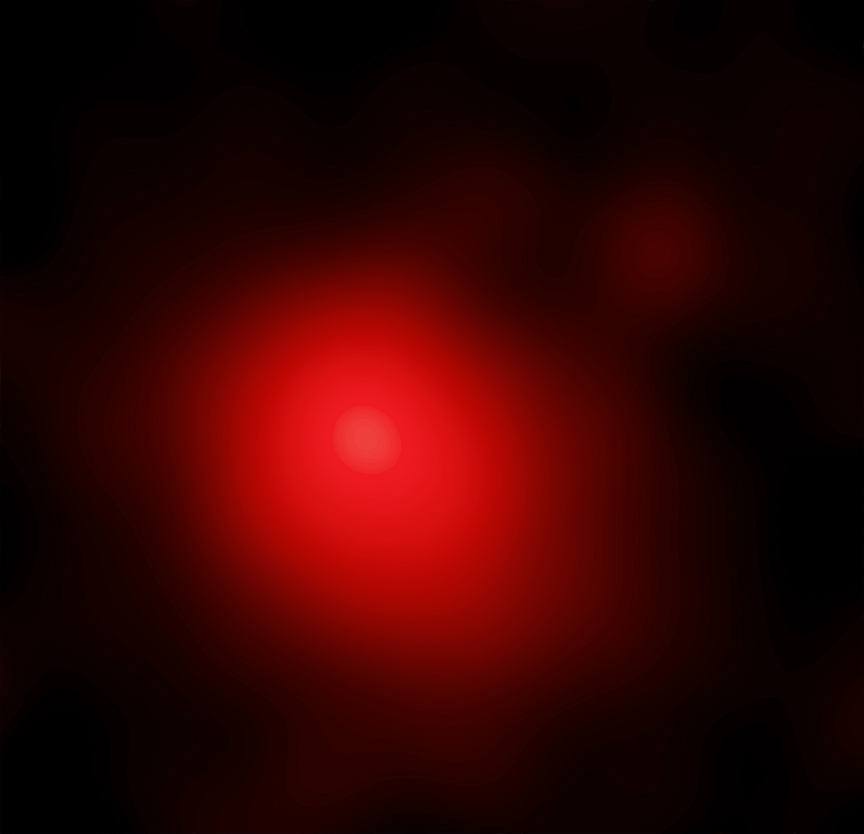
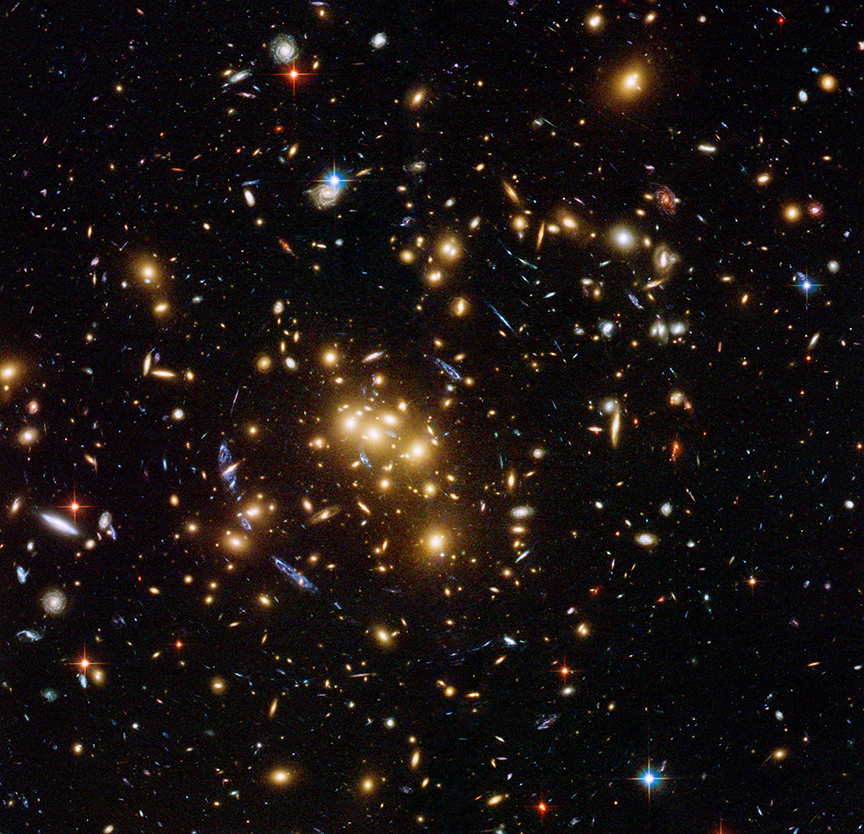
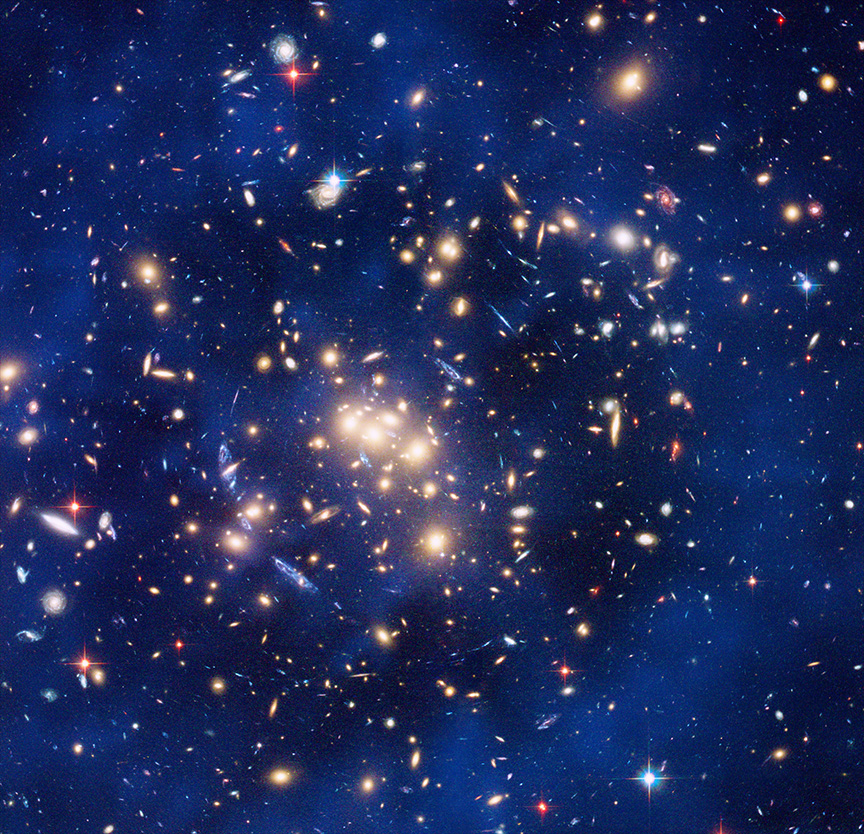
ZwCl 0024+1652Credit: X-ray: NASA/CXC/SAO; Optical and Dark Matter: NASA/ESA/M.J. Jee; Image Processing: NASA/CXC/SAO/L. Frattare
This image features ZwCl 0024+1652, an immense and distant cluster of galaxies bound together by gravity. X-ray data from NASA’s Chandra X-ray Observatory reveals an enormous, glowing reservoir of superheated gas that pervades the entire cluster—a cloud containing far more mass than all of its galaxies combined. Also shown is optical data from the Hubble Space Telescope, which captures the individual galaxies drifting within the cluster. By analyzing how the cluster's immense gravity warps the light of objects far behind it, astronomers used specially processed Hubble data to map a massive, invisible ring of dark matter.
Return to: NASA's Chandra Releases 'Red, White, and Blue' Universe for US 250th (June 30, 2026)


Revised: June 29, 2026