


CXC Home | Search | Help | Image Use Policy | Latest Images | Privacy | Accessibility | Glossary | Q&A
1
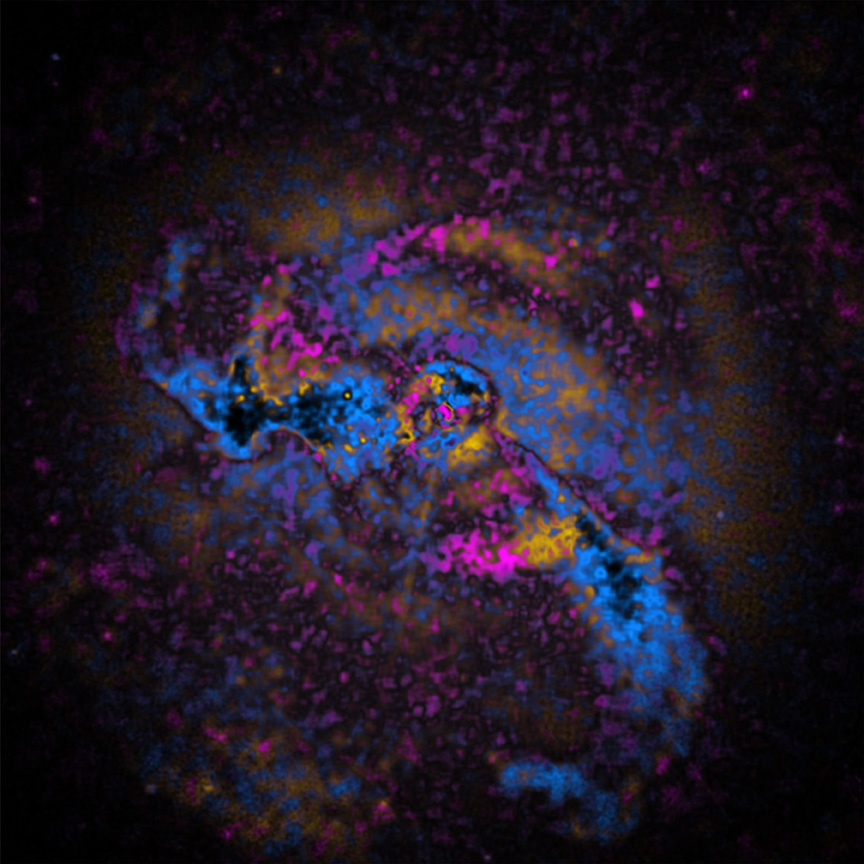
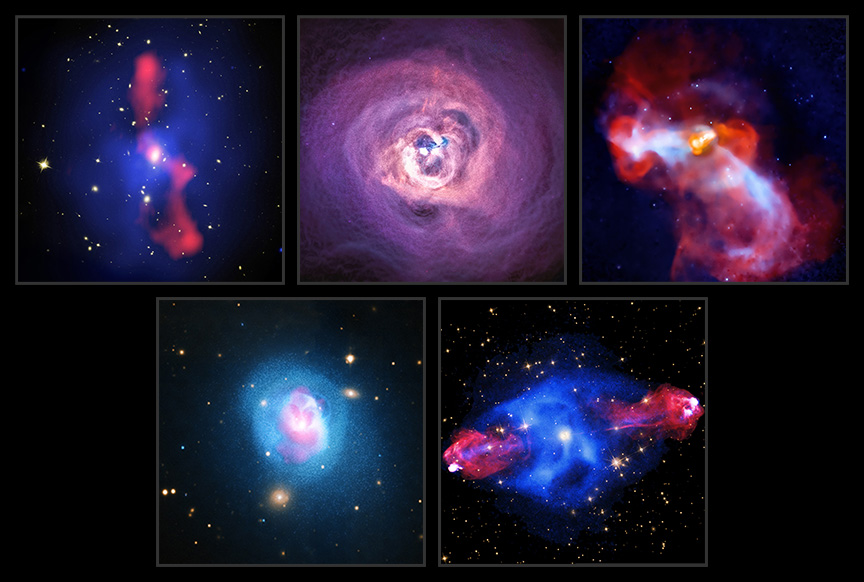
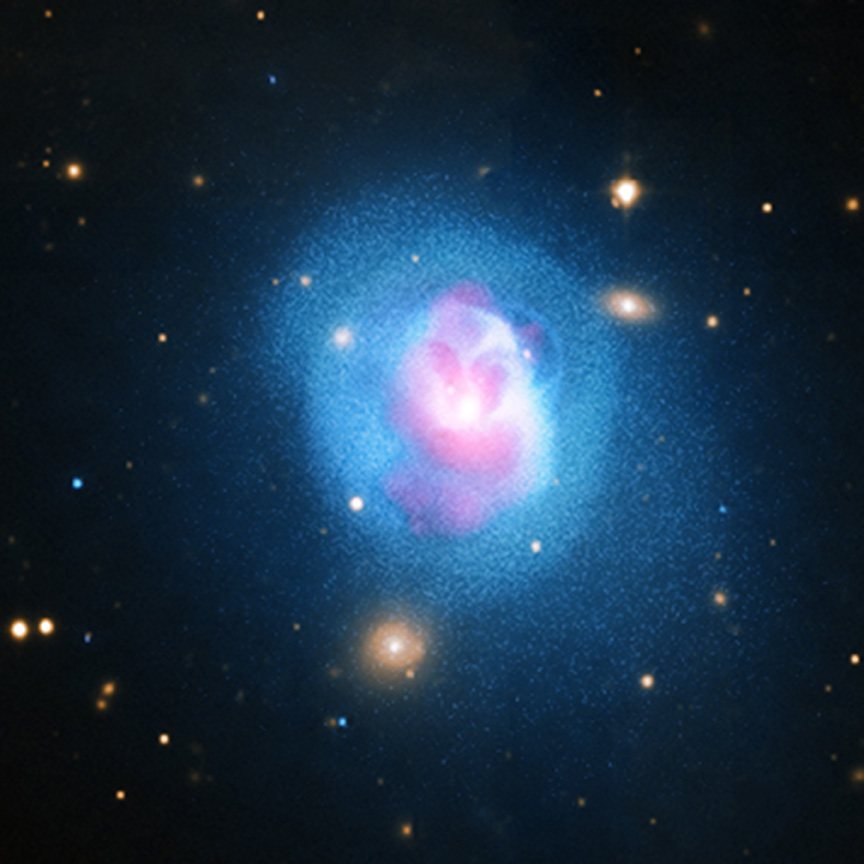
X-arithmetic Galaxy Cluster ImagesCredit: X-ray: NASA/CXC/Univ. of Chicago/H. McCall
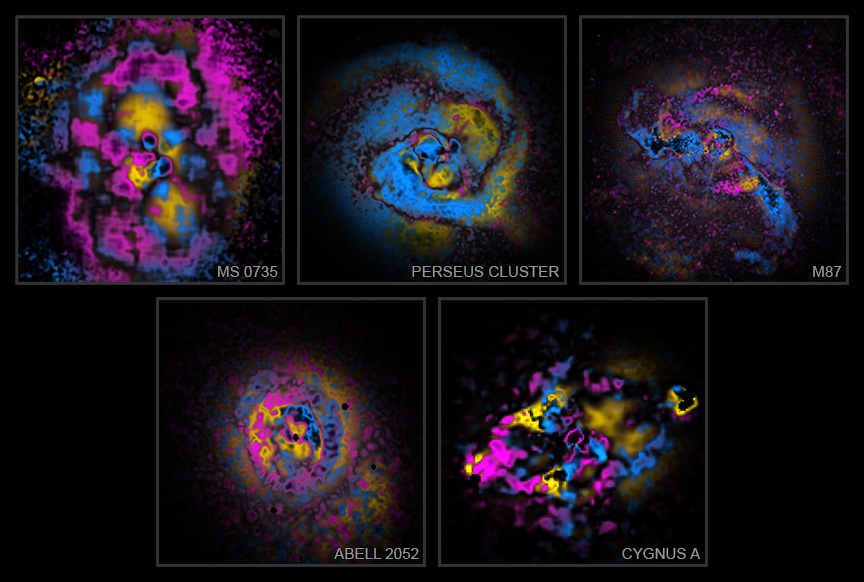
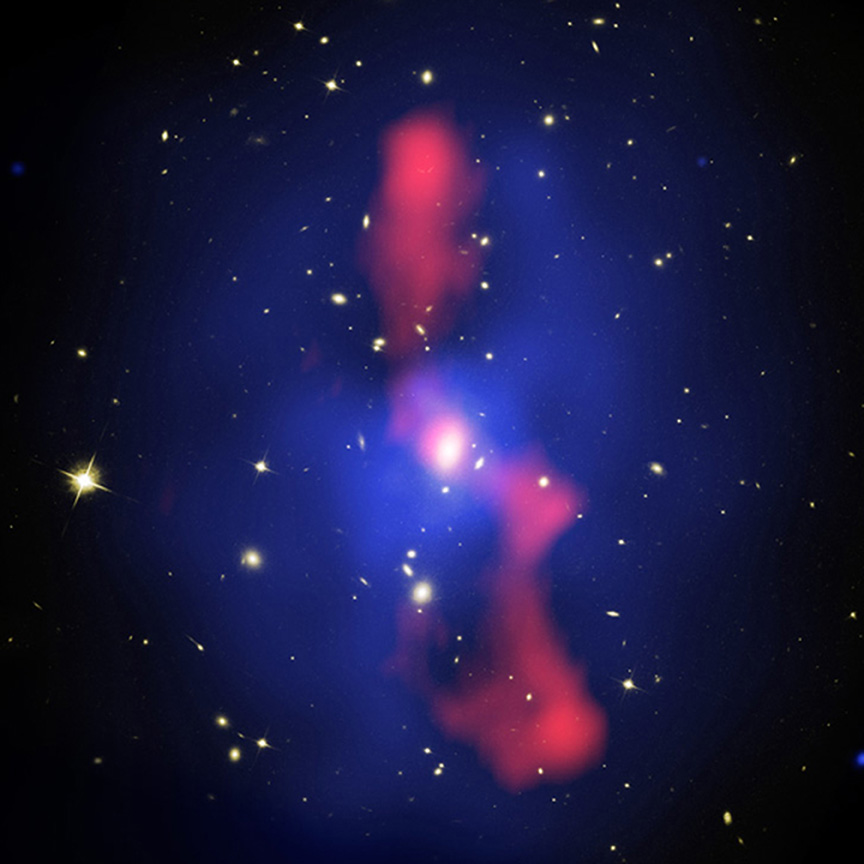
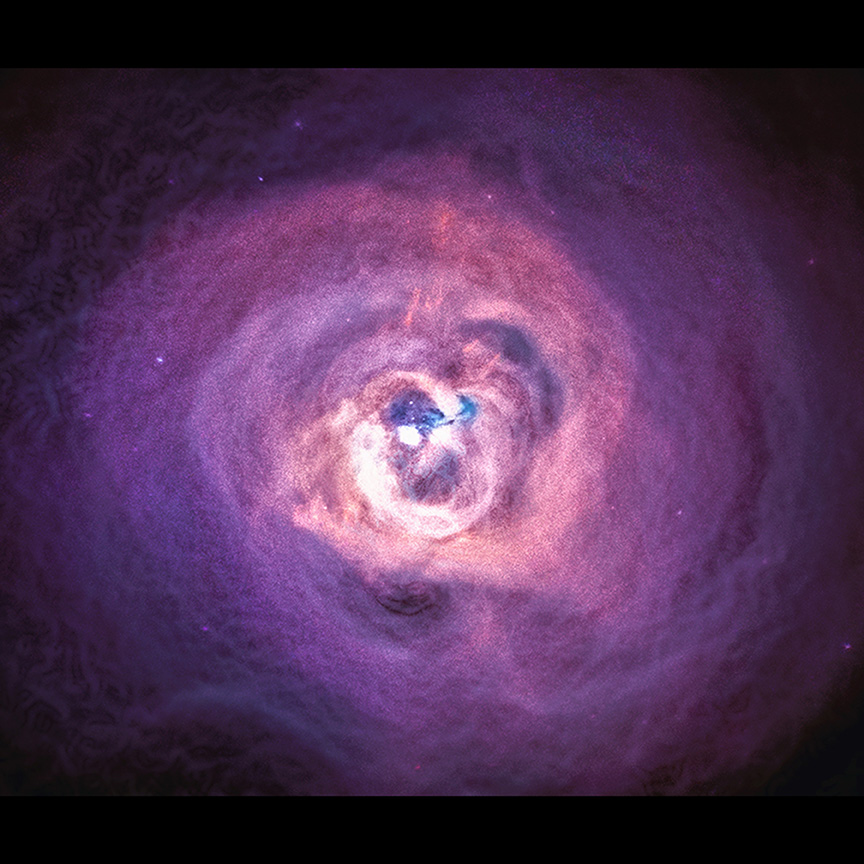
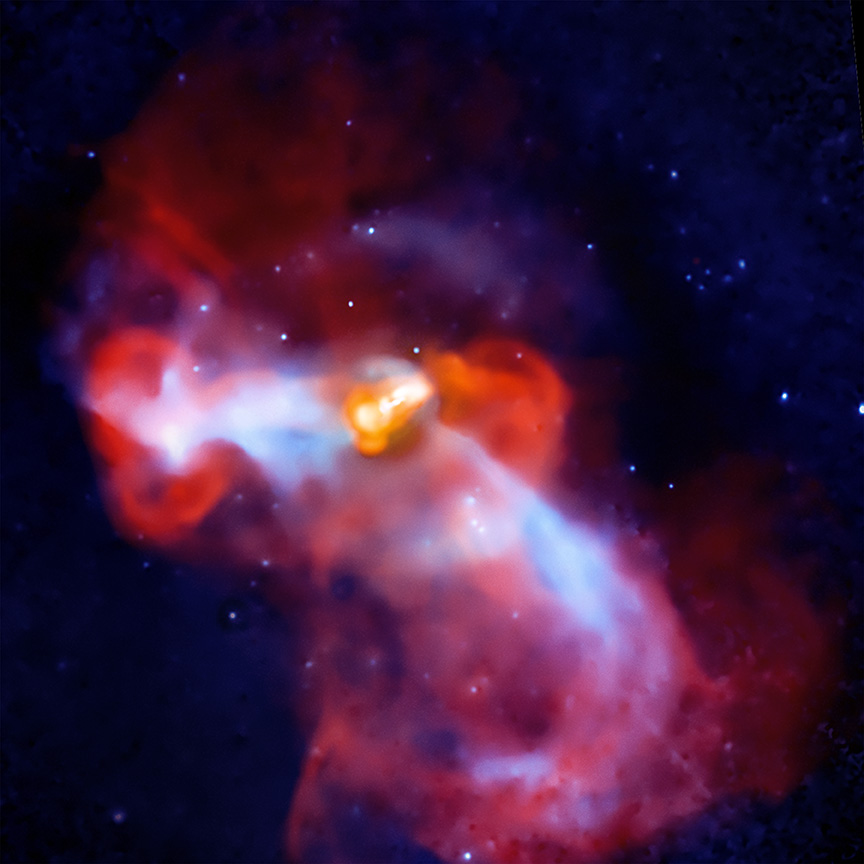
A new image-processing technique called “X-arithmetic” is allowing astronomers to analyze Chandra’s X-ray data and identify features in the gas of galaxy clusters and groups like never before. By comparing the outcome from the X-arithmetic technique to computer simulations, researchers can classify some of the largest structures in the universe by their nature rather than just their appearance. The researchers applied this technique to 15 galaxy clusters and groups, and this collection shows the central regions of five galaxy clusters in the sample: MS 0735+7421, the Perseus Cluster, M87 in the Virgo Cluster, Abell 2052, and Cygnus A.
2
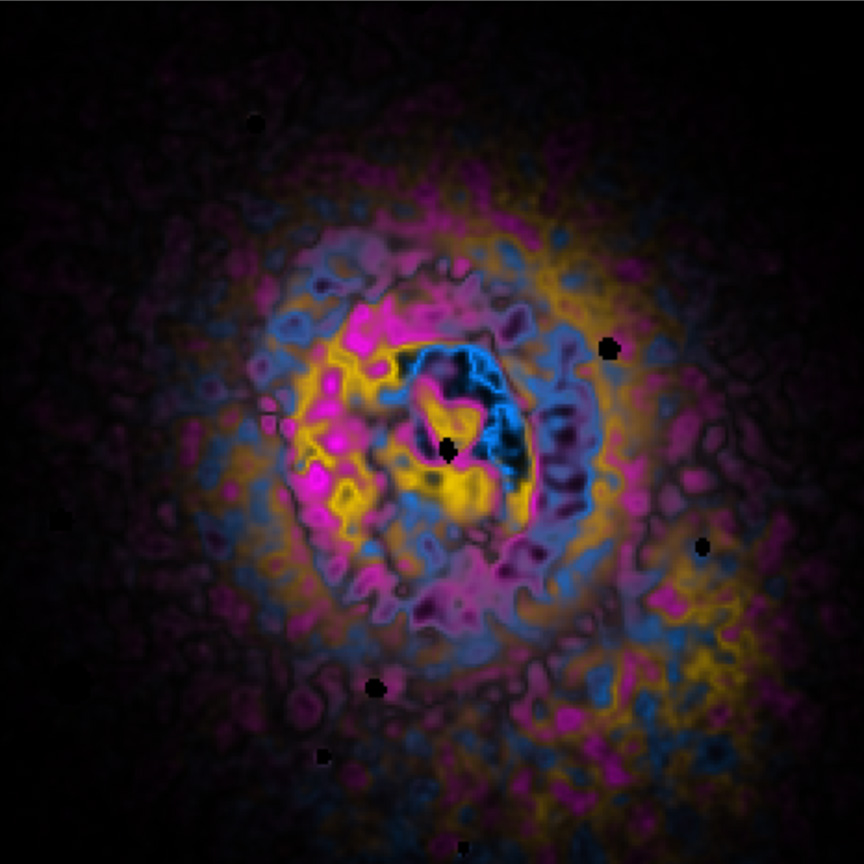
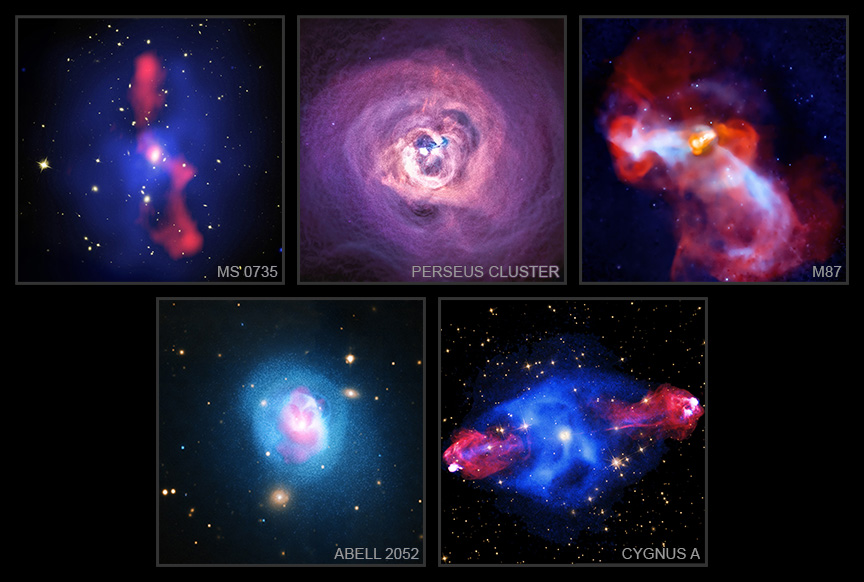
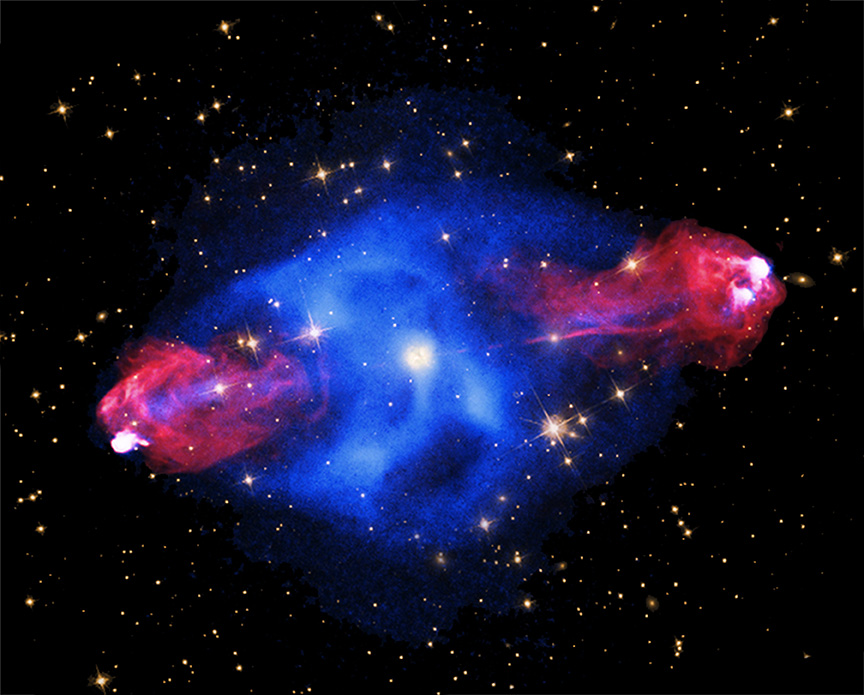
Astronomical Galaxy Cluster ImagesCredit: X-ray: NASA/CXC/Univ. of Chicago/H. McCall; Image processing: NASA/CXC/SAO/N. Wolk
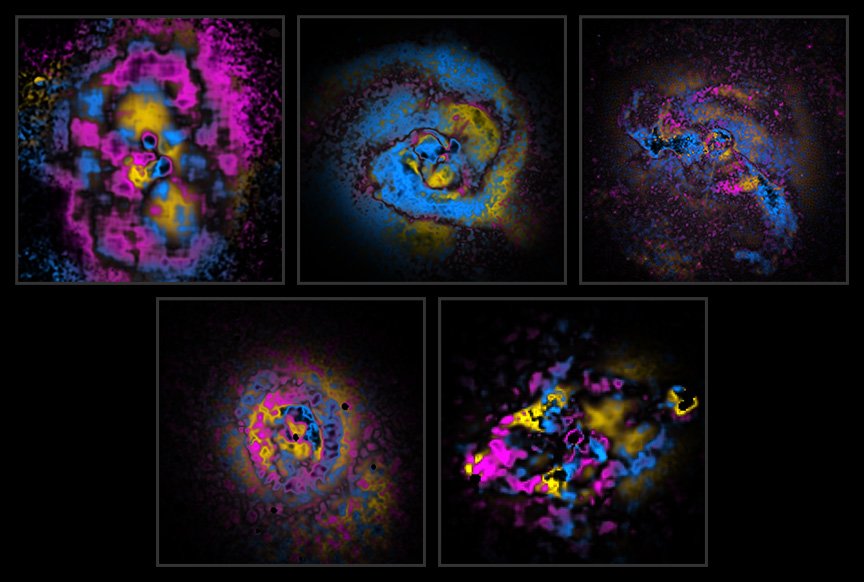
Researchers applied the "X-arithmetic" technique to 15 galaxy clusters and groups. These are five astronomical images of galaxy clusters in the sample: MS 0735+7421, the Perseus Cluster, M87 in the Virgo Cluster, Abell 2052, and Cygnus A.
Tactile Products
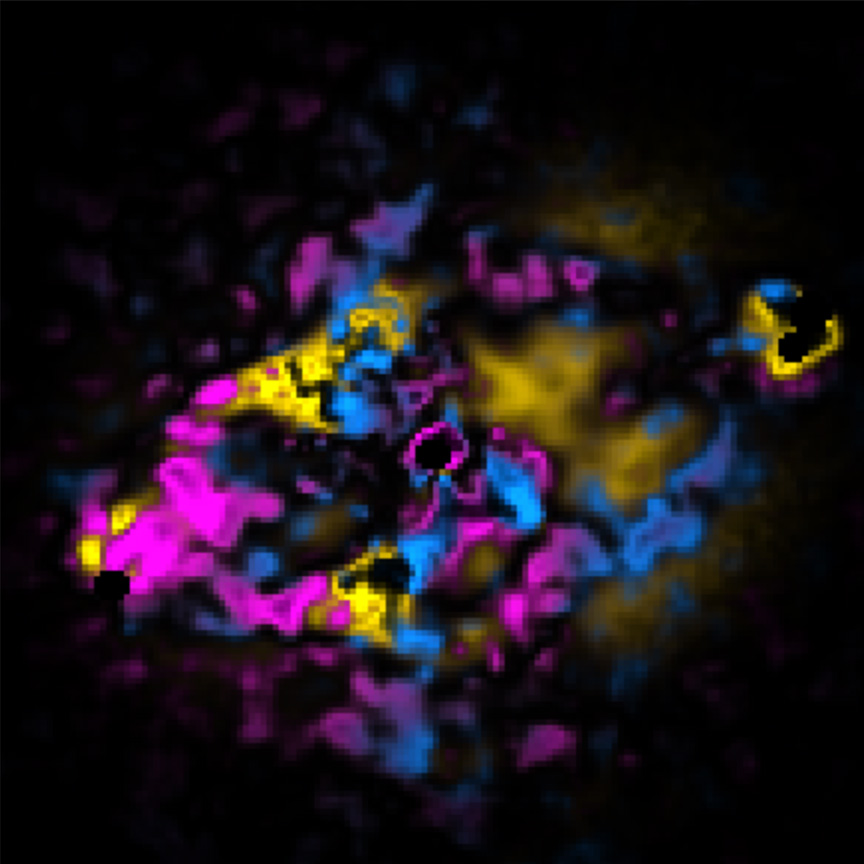
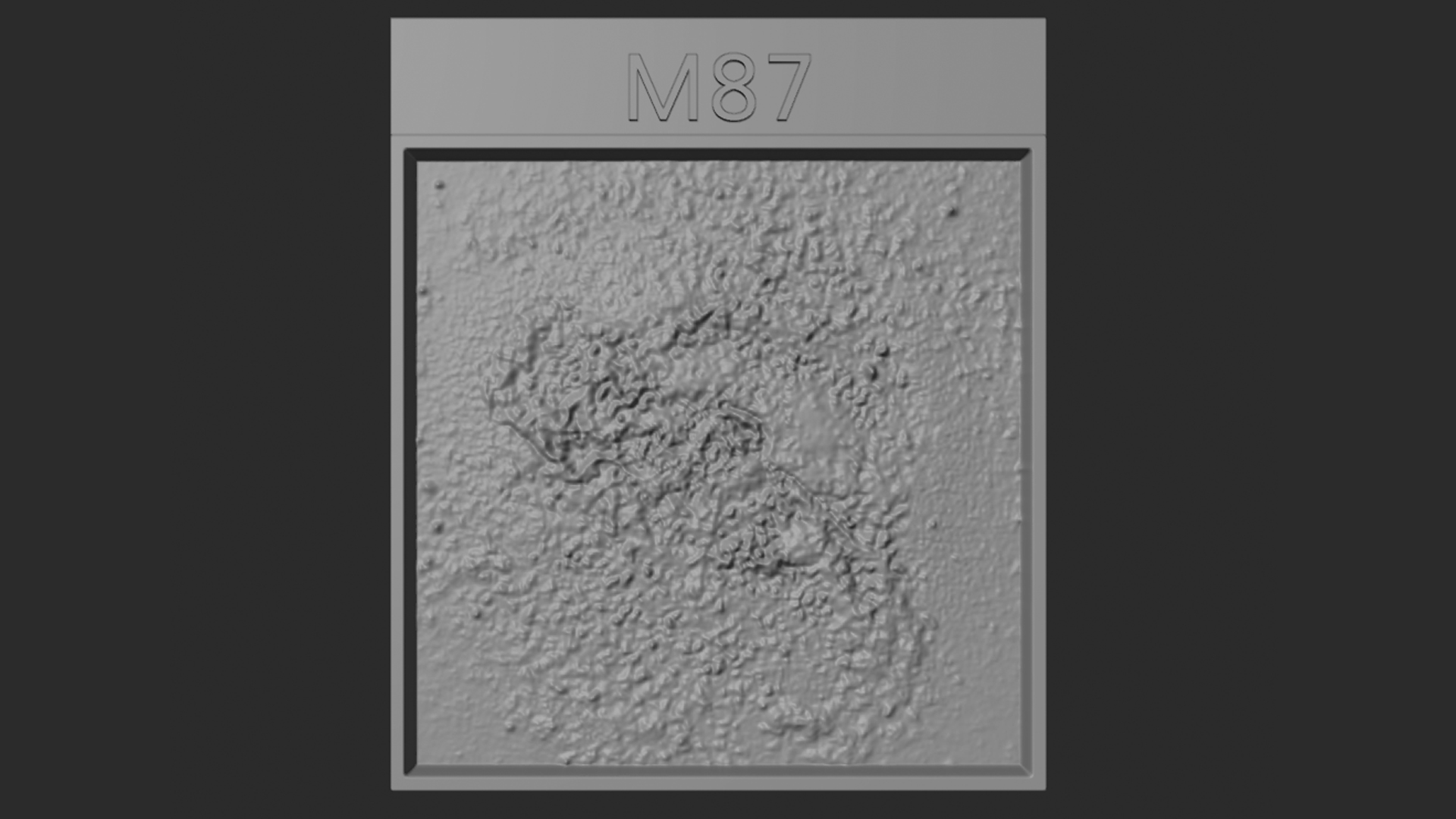
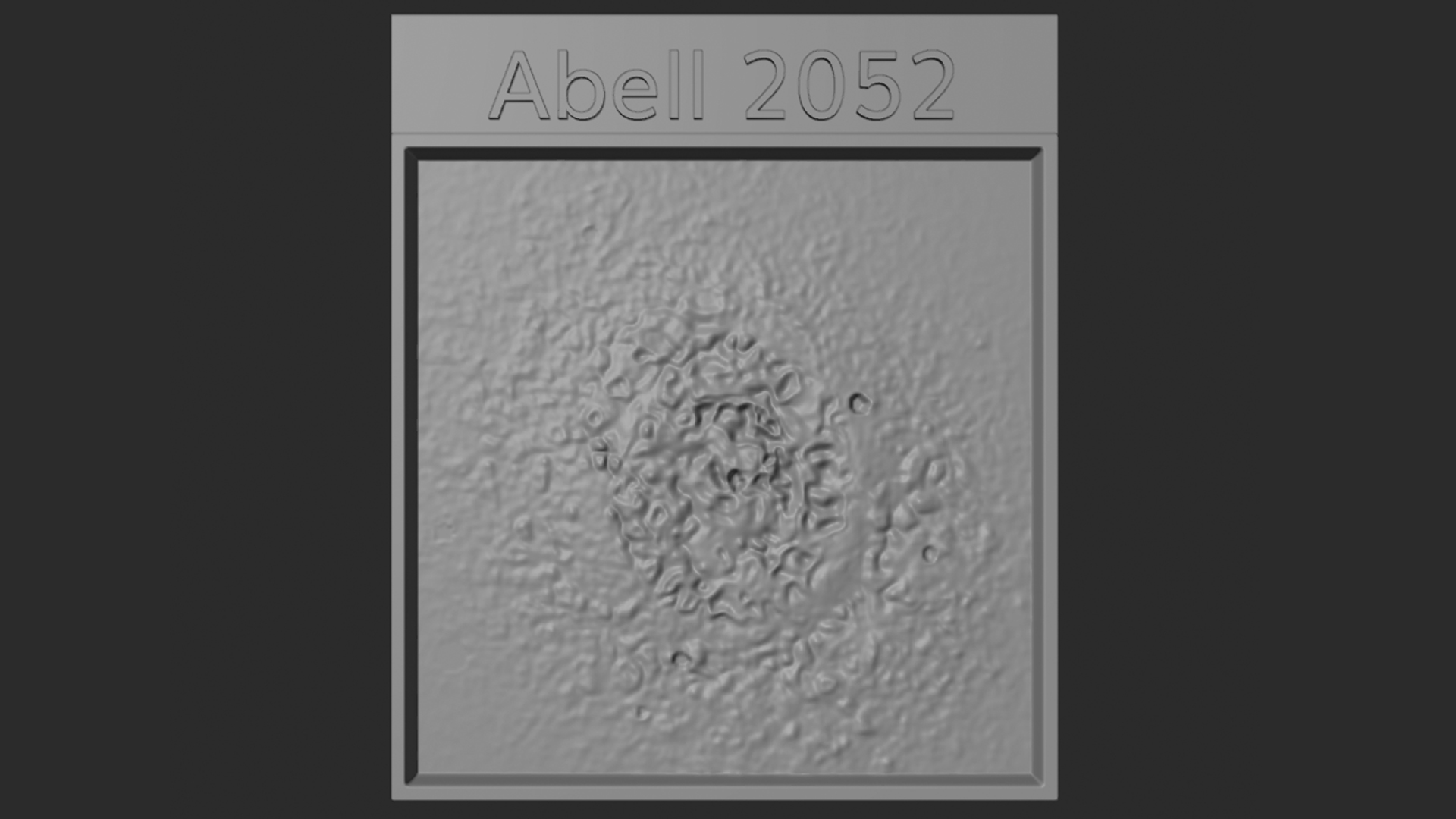
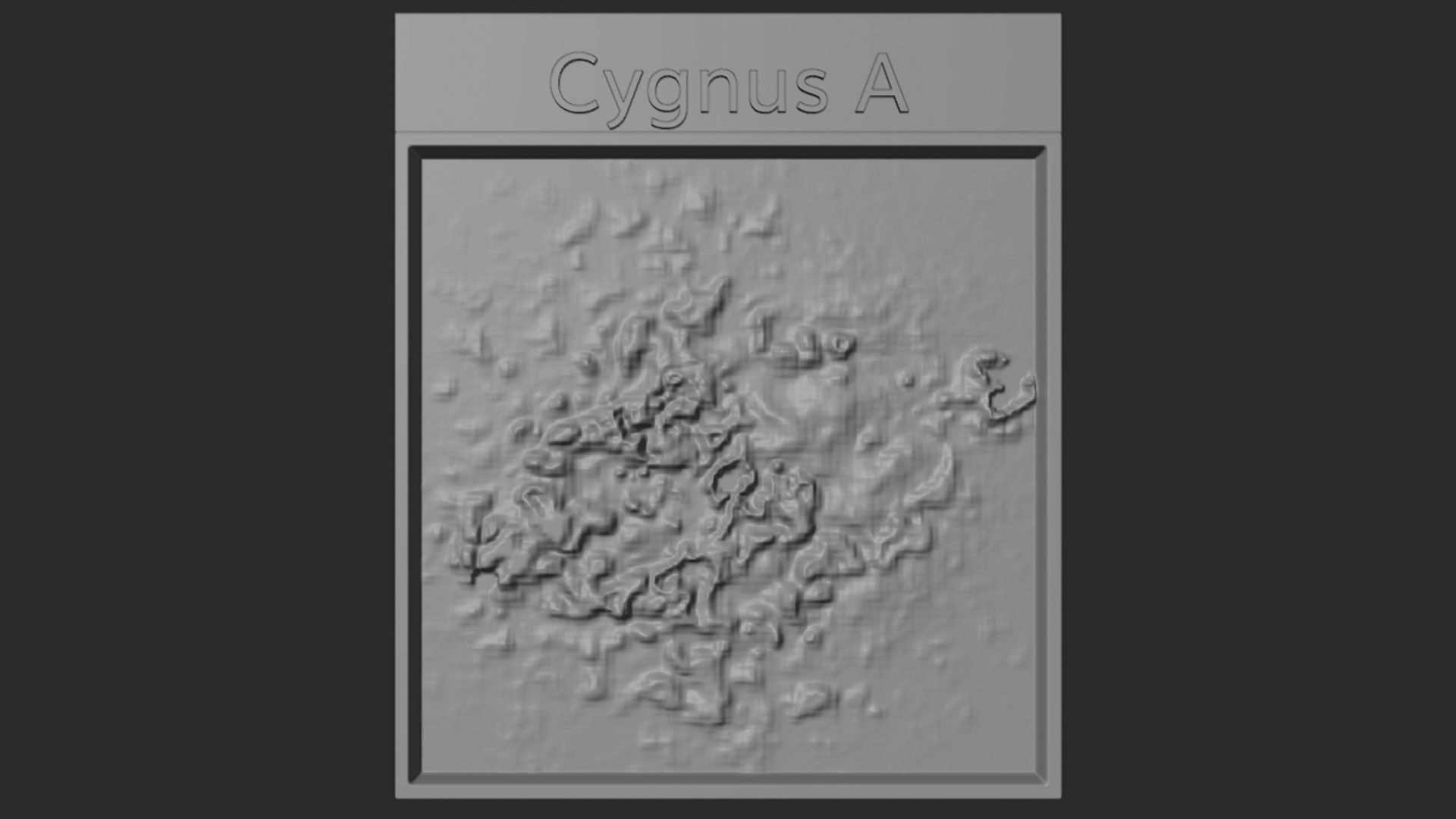
This set of five tactile plates shows physical relief maps based on a new technique, called X-Arithmetic, involving the analysis of Chandra X-ray data. The plates feature five images of galaxy clusters and galaxy groups using this new imaging technique.
Unlike traditional composite tactile plates, which feature cloud-like objects with blended structures, the X-arithmetic plates are more pixilated in structure, with distinct patches.
1
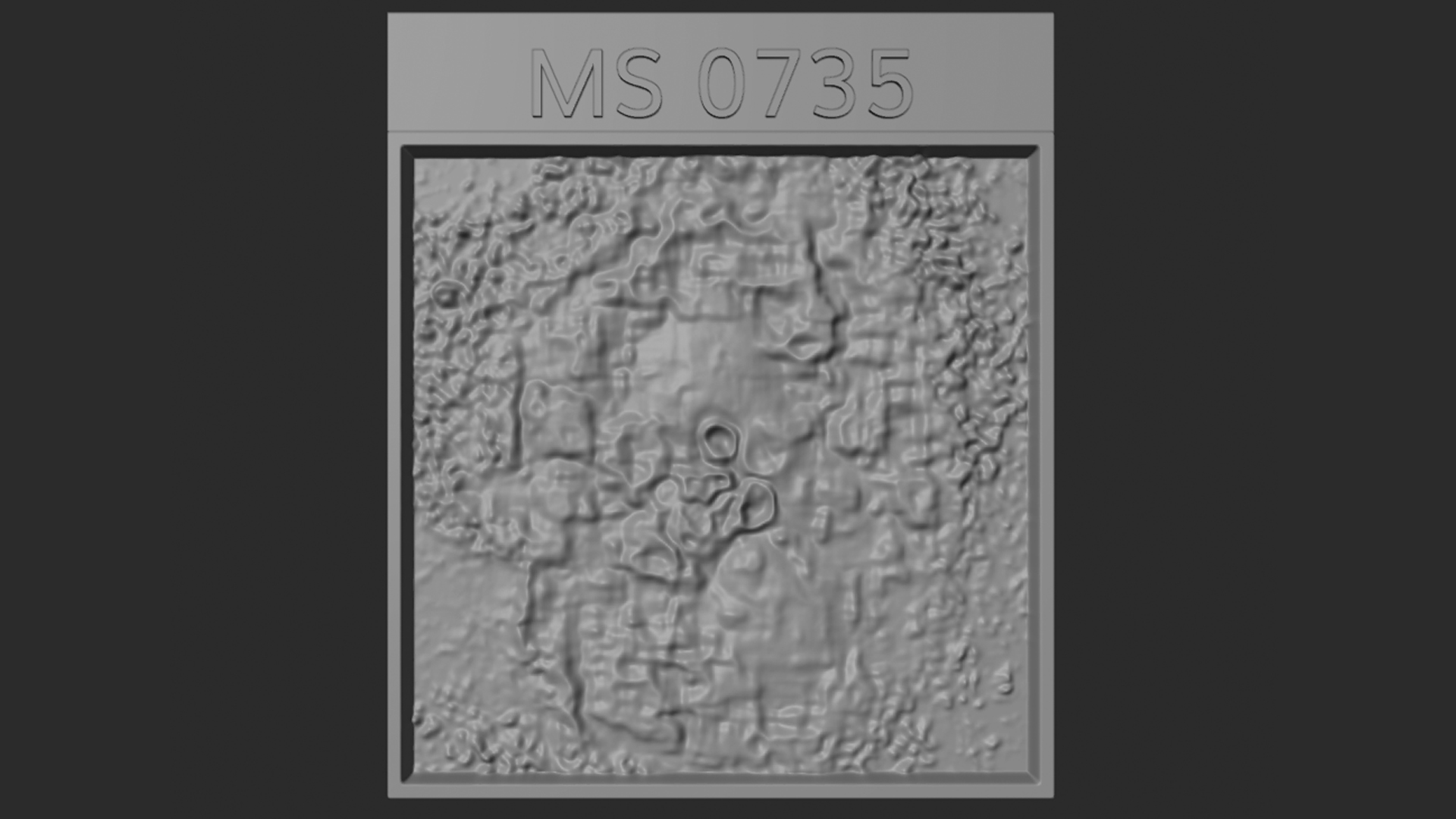
3D Printable Files: MS 0735 (3D Print Credit: NASA/CXC/A. Jubett, using software by Tactile Universe/N. Bonne & C. Krawczyk & Blender)
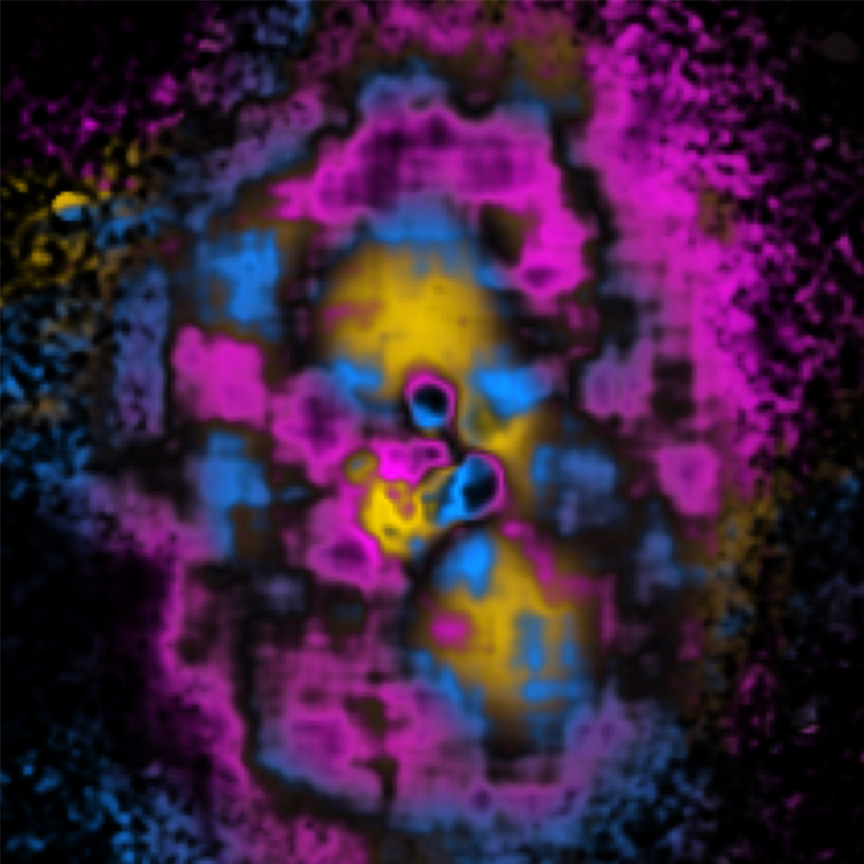
This plate features galaxy cluster MS 0735. Large central pockets are surrounded by irregular cloud-like shapes and dappled pockets, which grow more granular near the outer edges.
2
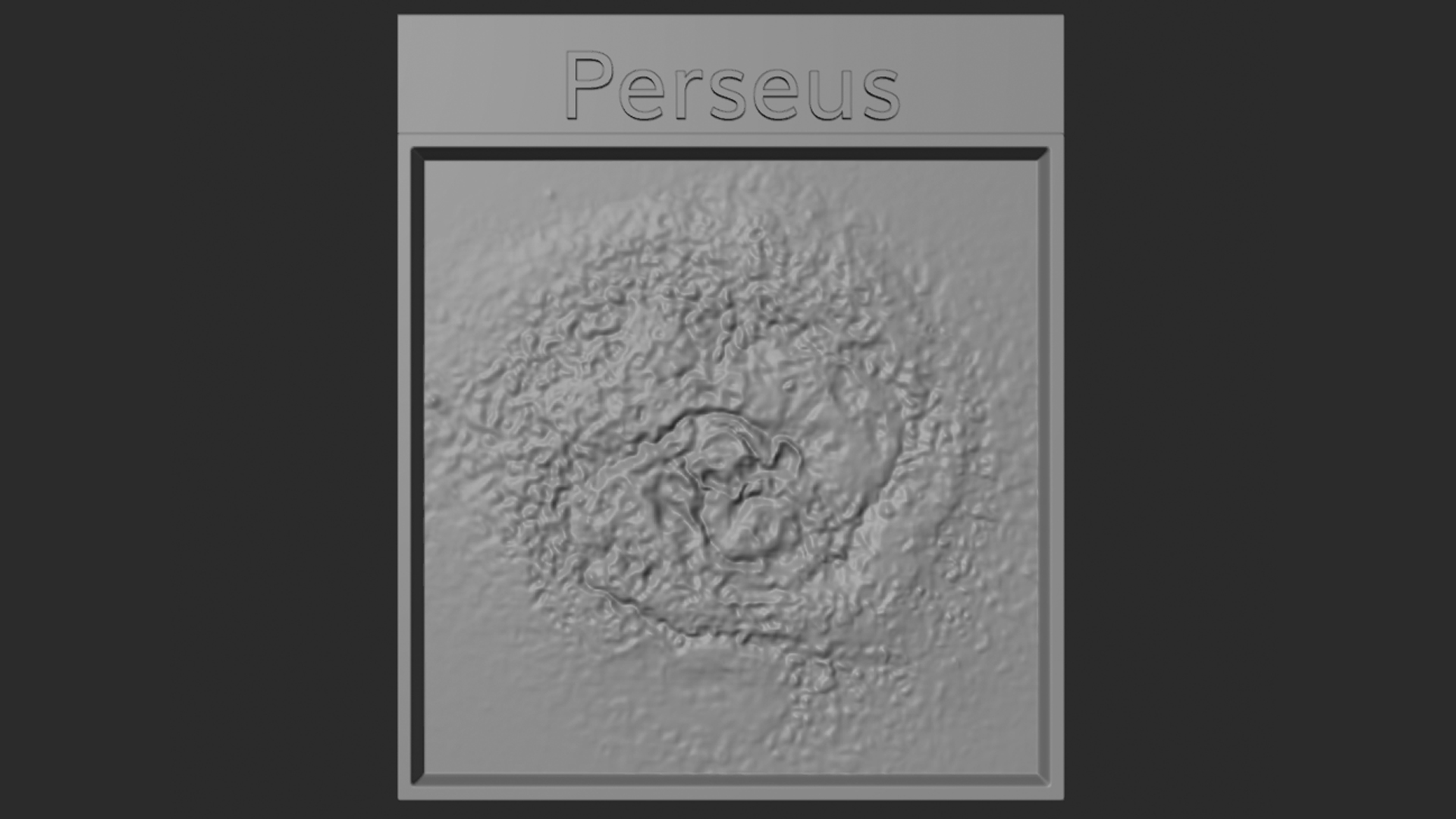
3D Printable Files: Perseus Cluster (3D Print Credit: NASA/CXC/A. Jubett, using software by Tactile Universe/N. Bonne & C. Krawczyk & Blender)
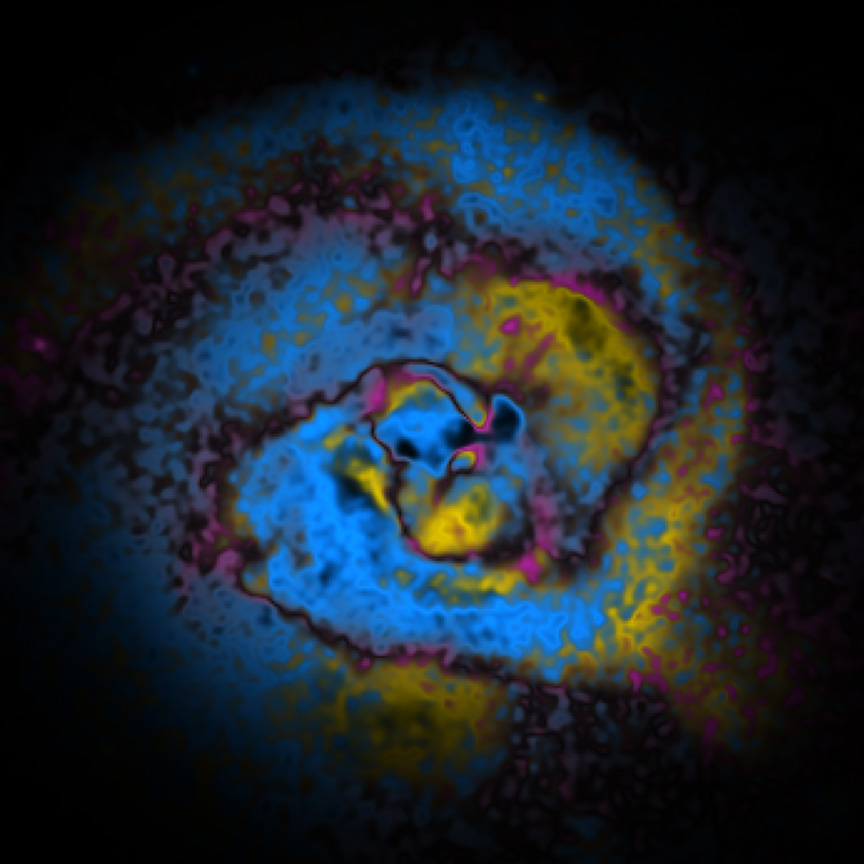
This plate features the Perseus Cluster. The cluster resembles a corkscrew swirl of water, dotted with mottled flecks and blobs, decreasing in severity as they corkscrew outward.
3
3D Printable Files: M87 (3D Print Credit: NASA/CXC/A. Jubett, using software by Tactile Universe/N. Bonne & C. Krawczyk & Blender)
This plate features the galaxy cluster M87. This cluster resembles a faint cloud making a diagonal streak from upper left to lower right, digitally spattered with irregular pixels.
4
3D Printable Files: Abell 2052 (3D Print Credit: NASA/CXC/A. Jubett, using software by Tactile Universe/N. Bonne & C. Krawczyk & Blender)
This plate features the seemingly spherical galaxy cluster Abell 2052. Interwoven pockets of swirling dimples appear more concentrated near the center, and somewhat muted near the outer edges.
5
3D Printable Files: Cygnus A (3D Print Credit: NASA/CXC/A. Jubett, using software by Tactile Universe/N. Bonne & C. Krawczyk & Blender)
This plate features Cygnus A, a galaxy cluster with jets blasting in opposite directions out of a central black hole. Cygnus A is depicted as a marbled ball of pixilated pockets and ridges.
Return to: Painting Galaxy Clusters by Numbers (and Physics) (December 9, 2025)


Revised: December 09, 2025