


X-ray Vision, Global Impact
In 1976, as the United States celebrated its Bicentennial, American physicists Ricardo Giacconi, Harvey Tananbaum were developing the proposal for AXAF, the Advanced X-ray Astrophysics Facility for NASA.
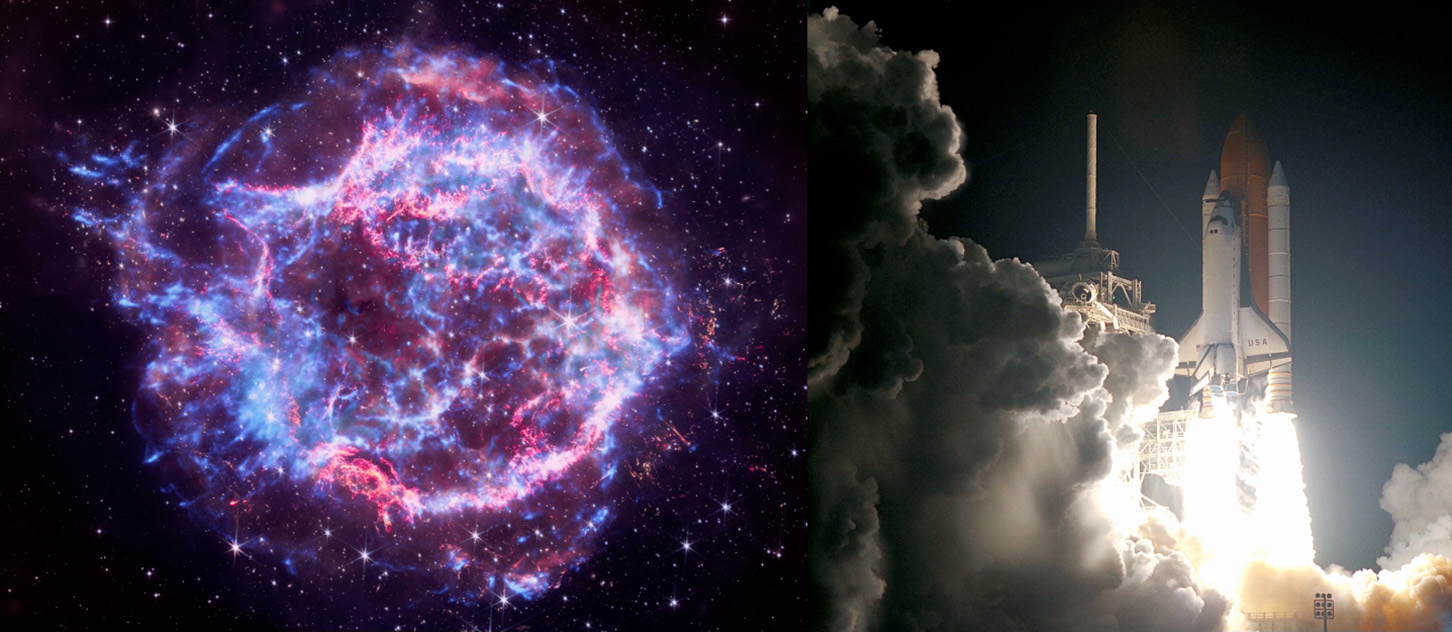
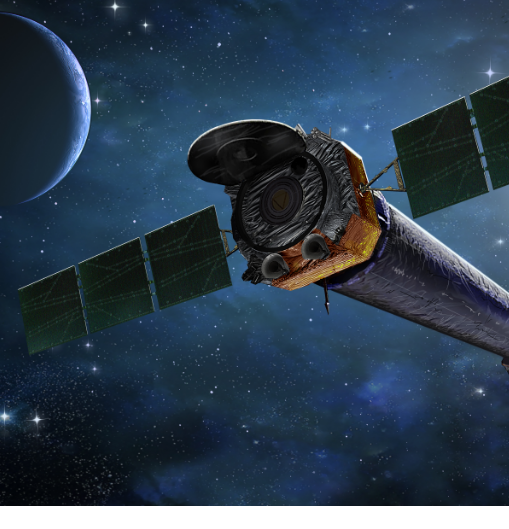
Twenty-three years later, that proposal would come to fruition with the launch of the Chandra X-ray Observatory, the most powerful X-ray telescope to this day, aboard the Space Shuttle Columbia.
In 2002, Giacconi received the Nobel Prize for Physics for helping create an entirely new field: X-ray astronomy. What began with sounding rocket experiments in the 1960s became a revolution in how we see the universe.
Today, that legacy continues with Chandra — the most powerful high-resolution X-ray telescope ever built, still unmatched in its ability to reveal the high-energy universe in exquisite detail.
X-ray astronomy is critical to understanding the cosmos, making its own unique discoveries while enhancing and multiplying those made by other telescopes and instruments. This telescope, a marvelous success for over a quarter century, is a shining example of the United States’ sustained investment in bold ideas, pushing the limits of engineering, and seeking answers to the biggest questions in the universe.
Expanding the Frontiers
Chandra has transformed our understanding of:
Black holes — tracing how they grow and shape galaxies
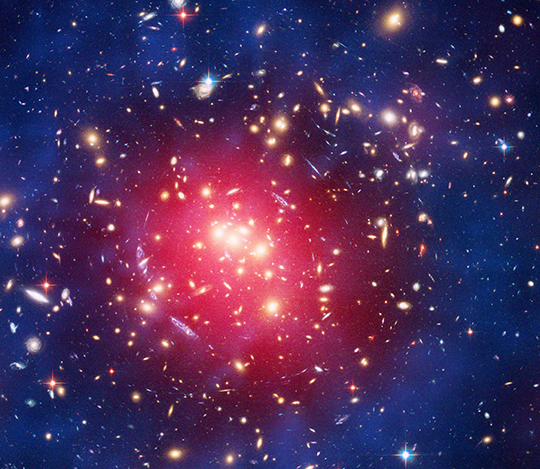
Dark matter — mapping its distribution in galaxy clusters
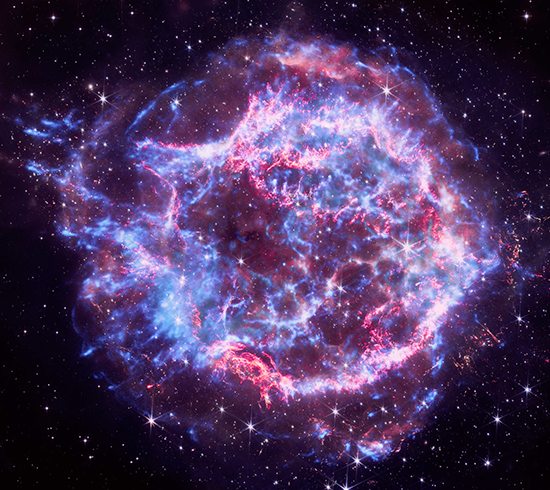
Supernova remnants — revealing the chemical origins of the elements
Exoplanets — probing how high-energy radiation affects planetary atmospheres
Gravitational waves — working with LIGO to identify the first X-ray counterpart to a neutron star merger
Time and again, Chandra has contributed discoveries its designers could not have fully anticipated — the hallmark of fundamental research.
Celebrate with Us
Celebrate 250 years of American discovery with this exclusive collection of NASA resources—from vibrant new cosmic galleries to immersive sonifications and 3D kits—honoring our nation’s legacy of reaching for the stars.
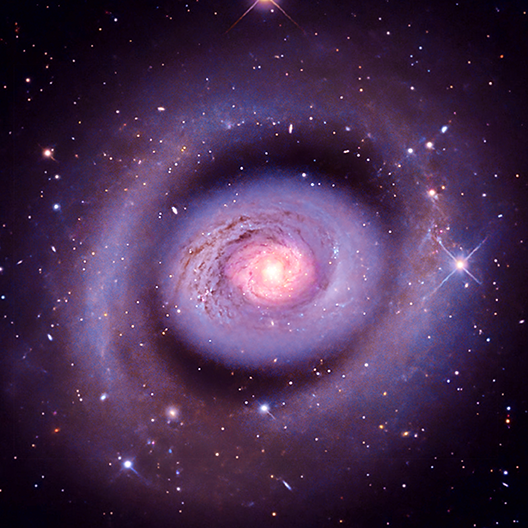
A Red, White & Blue Cosmic Gallery
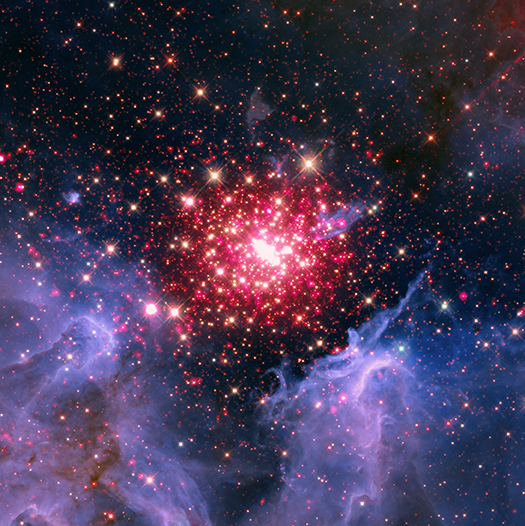
In honor of the American 250th, NASA’s Chandra X-ray Observatory presents a new look at our universe
rendered in the nation’s colors, and showcasing different kinds of light. These images showcase four
different kinds of objects or phenomena, from the shredded remains of stars to the ghostly fingerprints of
dark matter that define our cosmic heritage.
The Soundtrack of the Stars (Sonifications)
Experience America’s Soundtrack of the Stars initiative through astrophysical data. Our latest
sonifications translate data from NASA’s Chandra X-ray Observatory and its sister telescopes, the Hubble
and James Webb Space Telescopes, along with ground based optical data, into immersive soundscapes.

The Touchable Universe: 250 Year of Innovation (3D Print Kit)
Since the first American rocket detected a cosmic X-ray source six decades ago, we have worked to make
the invisible, visible—and now, feelable.
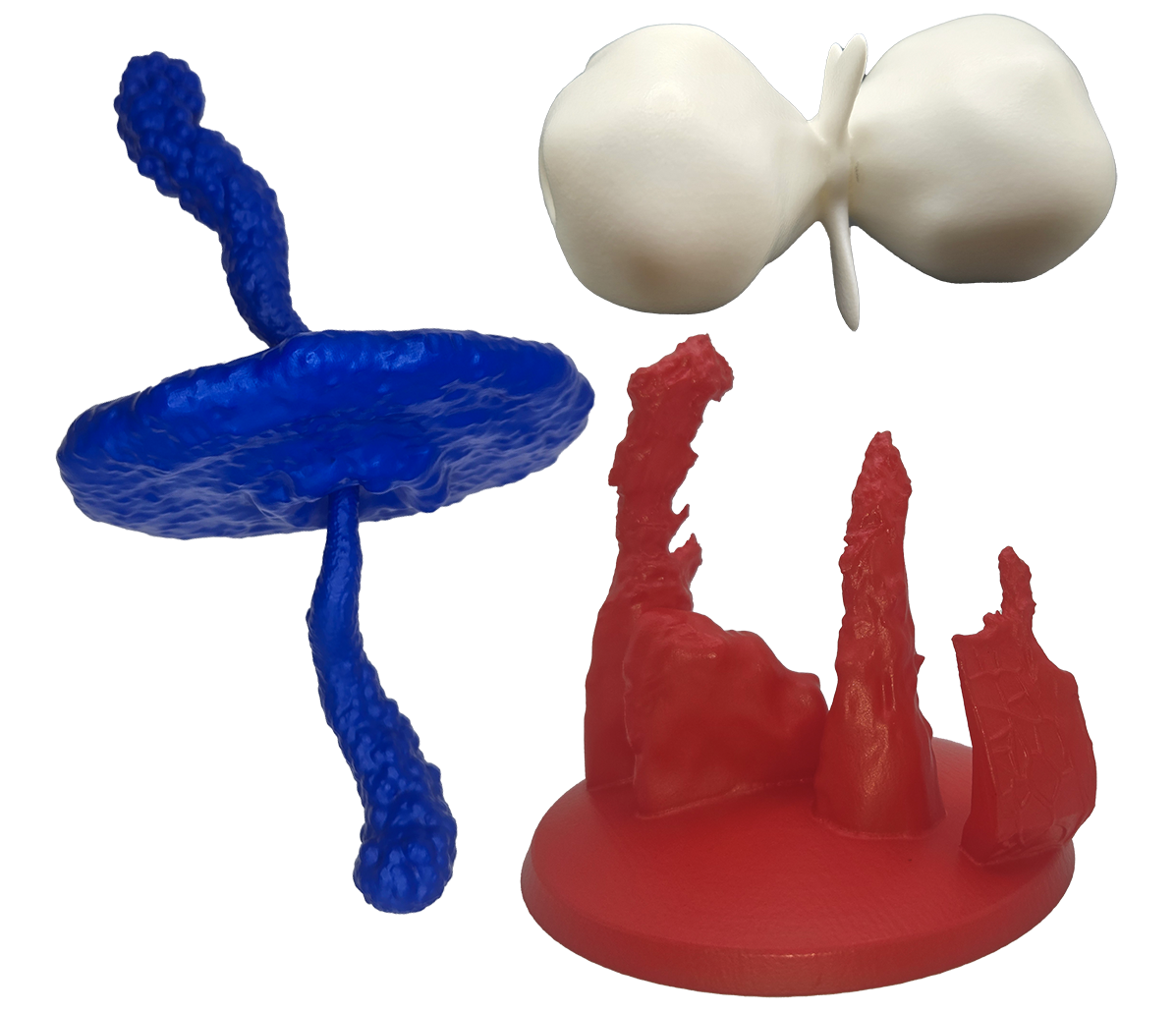
Touch the Stars Mini 3D Kit: Download & print in red, white and blue our 3D models of the stars. Feel the trenches of Eta Carinae or the pulsar heart of the Crab Nebula, bringing the high-energy universe directly into your hands.
Supermassive Black Holes Tactile Plate Kit: Download & print in red, white and blue our black hole image relief maps, from Perseus Cluster to the supermassive black hole at the center of our own galaxy.
Our X-ray Legacy
Chandra: A High-Energy Sentinel: For over a quarter-century, Chandra has served as NASA’s flagship for X-ray astronomy. While telescopes like Webb and Hubble see the infrared and/or optical beauty of space primarily, Chandra captures the high-energy glow of black holes and exploded stars that remain hidden to all others.
Why X-rays Matter: To understand the universe, we must see it in every light. X-ray astronomy allows us to define the hot, turbulent regions of space, helping us answer fundamental questions about where we came from and where we are going. link to the chandra handouts here?
Chandra’s ongoing mission is a testament to 250 years of American scientific leadership, proving that it is possible to do what has never been done before.