


CXC Home | Search | Help | Image Use Policy | Latest Images | Privacy | Accessibility | Glossary | Q&A
1
Chandra X-ray Images of GOODS CDFS
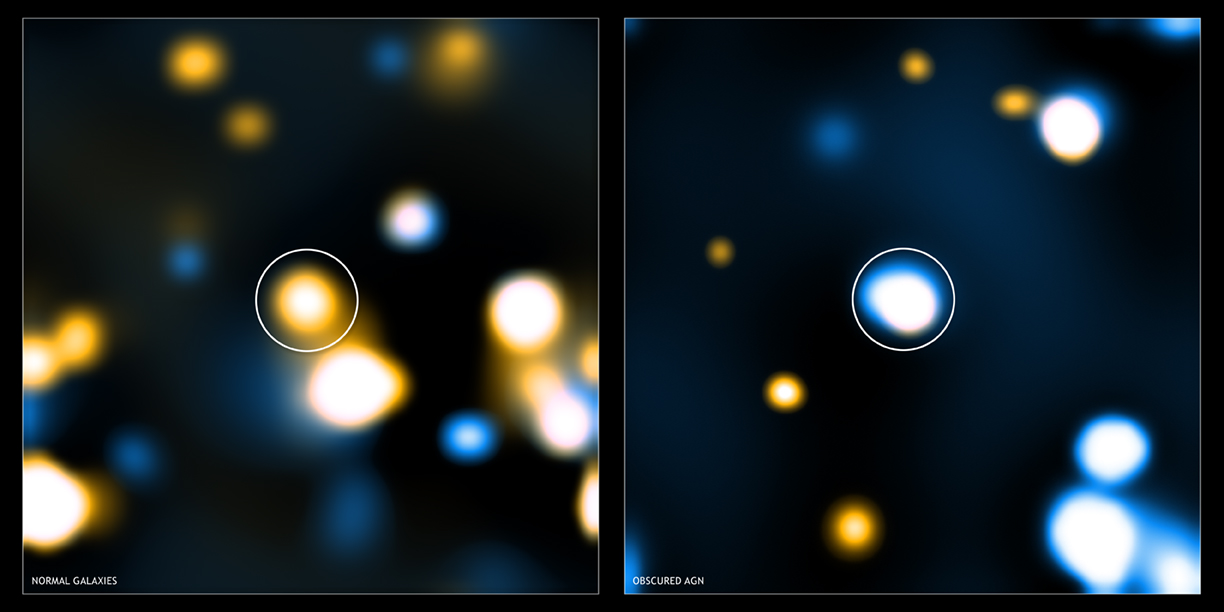
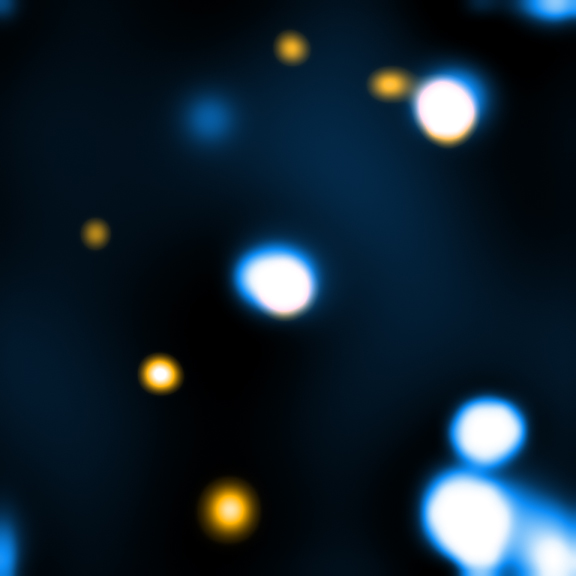
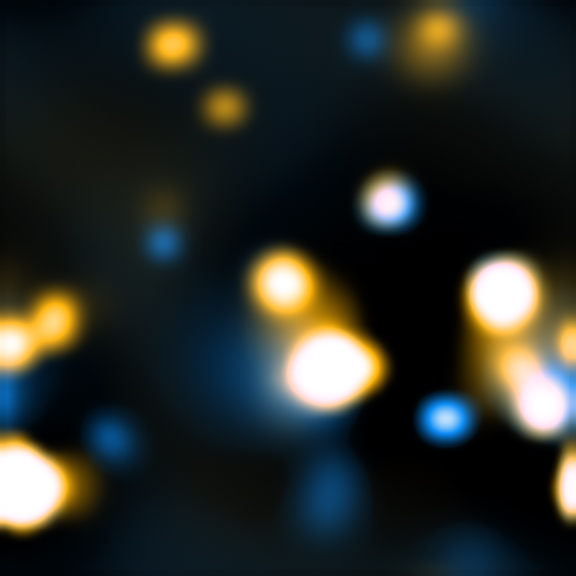
The image on the left shows a "stacked" Chandra image of distant, massive galaxies detected with Spitzer. Image stacking is a procedure used to detect emission from objects that is too faint to be detected in single images. To enhance the signal, images of these faint objects are stacked on top of one another. In this image, low-energy X-rays are shown in orange and high-energy X-rays in blue, and the stacked object is in the center of the image (the other sources beyond the center of the image are individual AGN that were directly detected and are not part of the source stacking). The blue stacked source confirms the hypothesis that large numbers of these young, massive galaxies contain heavily obscured AGN. Spitzer also detected infrared emission from young, massive galaxies that is consistent with expectations for star formation. These galaxies do not contain AGN, because their supermassive black holes are dormant. A stacked Chandra image (right) of these "normal" massive galaxies shows mainly soft X-ray emission at the center, as expected.
(Credit: NASA/CXC/Durham/D.Alexander et al.)
The image on the left shows a "stacked" Chandra image of distant, massive galaxies detected with Spitzer. Image stacking is a procedure used to detect emission from objects that is too faint to be detected in single images. To enhance the signal, images of these faint objects are stacked on top of one another. In this image, low-energy X-rays are shown in orange and high-energy X-rays in blue, and the stacked object is in the center of the image (the other sources beyond the center of the image are individual AGN that were directly detected and are not part of the source stacking). The blue stacked source confirms the hypothesis that large numbers of these young, massive galaxies contain heavily obscured AGN. Spitzer also detected infrared emission from young, massive galaxies that is consistent with expectations for star formation. These galaxies do not contain AGN, because their supermassive black holes are dormant. A stacked Chandra image (right) of these "normal" massive galaxies shows mainly soft X-ray emission at the center, as expected.
(Credit: NASA/CXC/Durham/D.Alexander et al.)
2
Artist's Illustration
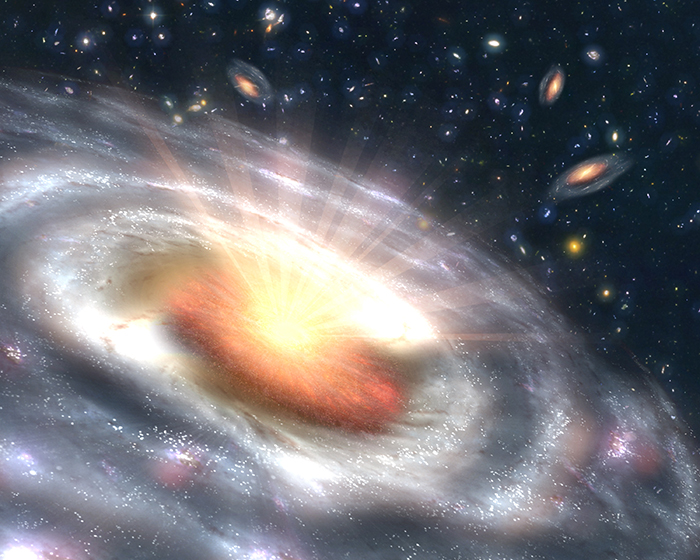
The artist's illustration shows a typical massive galaxy as it would have appeared when the universe was only about a quarter of its current age. This young galaxy contains an active galactic nucleus (AGN), or quasar, in its center, a luminous object powered by the rapid growth of a supermassive black hole. Some of the light from the AGN is obscured by dense gas and dust near the center of the galaxy. The galaxy itself is undergoing a growth spurt, as shown by bright regions of star formation in the spiral arms.
(Credit: NASA/JPL-Caltech/T.Pyle (SSC))
The artist's illustration shows a typical massive galaxy as it would have appeared when the universe was only about a quarter of its current age. This young galaxy contains an active galactic nucleus (AGN), or quasar, in its center, a luminous object powered by the rapid growth of a supermassive black hole. Some of the light from the AGN is obscured by dense gas and dust near the center of the galaxy. The galaxy itself is undergoing a growth spurt, as shown by bright regions of star formation in the spiral arms.
(Credit: NASA/JPL-Caltech/T.Pyle (SSC))
3
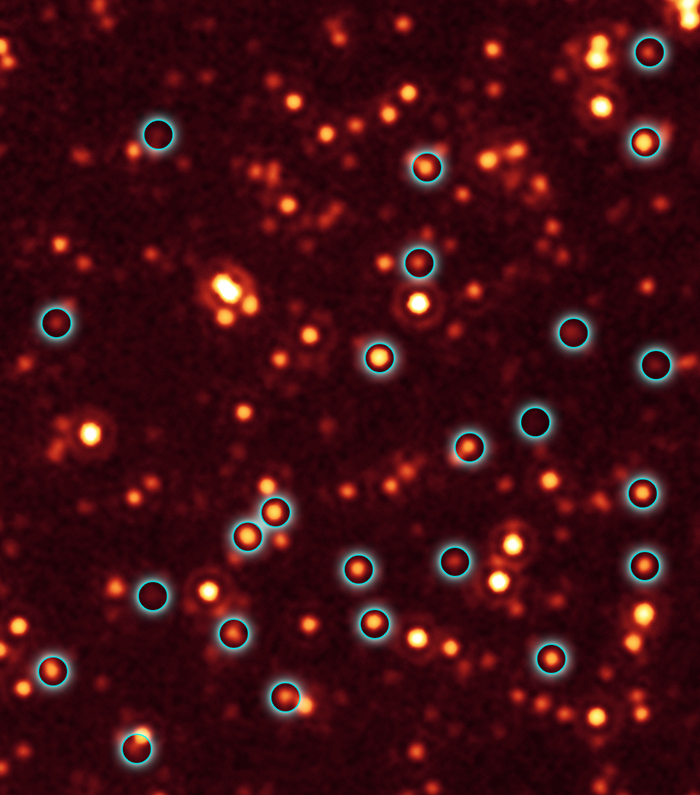
Spitzer Infrared Image of GOODS CDFS
This image, taken with Spitzer's infrared vision, shows a fraction of these black holes, which are located deep in the bellies of distant, massive galaxies. Spitzer originally scanned the field of galaxies shown in the picture as part of a multiwavelength program called the Great Observatories Origins Deep Survey, or Goods. This picture shows a portion of the Goods field called Goods-South. When astronomers saw the Spitzer data, they were surprised to find that hundreds of the galaxies between 9 and 11 billion light years away were shining with an unexpected excess of infrared light. They then followed up with X-ray data from Chandra of the same field, and applied a technique called stacking, which adds up the faint light of multiple galaxies. The results revealed that the infrared-bright galaxies are hiding many black holes that had been theorized about before but never seen. This excess infrared light is being produced by the growing black holes.
(Credit: NASA/JPL-Caltech/CEA/E.Daddi)
This image, taken with Spitzer's infrared vision, shows a fraction of these black holes, which are located deep in the bellies of distant, massive galaxies. Spitzer originally scanned the field of galaxies shown in the picture as part of a multiwavelength program called the Great Observatories Origins Deep Survey, or Goods. This picture shows a portion of the Goods field called Goods-South. When astronomers saw the Spitzer data, they were surprised to find that hundreds of the galaxies between 9 and 11 billion light years away were shining with an unexpected excess of infrared light. They then followed up with X-ray data from Chandra of the same field, and applied a technique called stacking, which adds up the faint light of multiple galaxies. The results revealed that the infrared-bright galaxies are hiding many black holes that had been theorized about before but never seen. This excess infrared light is being produced by the growing black holes.
(Credit: NASA/JPL-Caltech/CEA/E.Daddi)
Return to GOODS Chandra Deep Field-South (October 25, 2007)


Revised: June 07, 2022